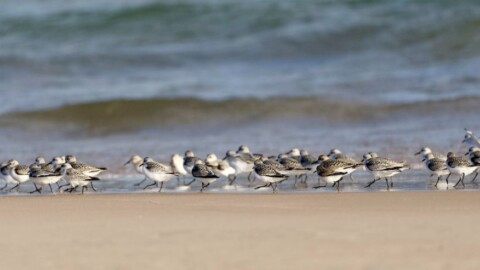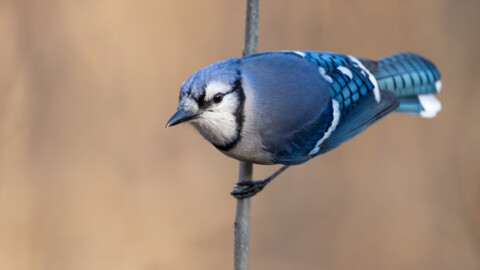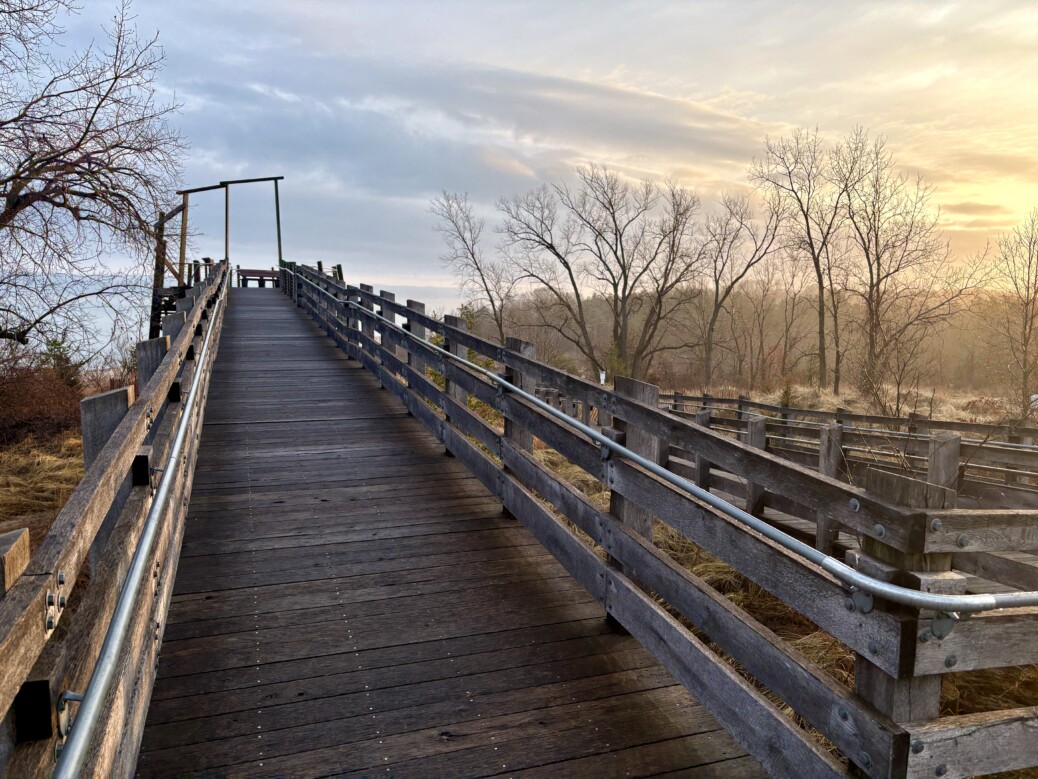
The Indiana Dunes Longshore Flight Count officially kicked off Season 15 this morning from the observation tower at Indiana Dunes State Park, marking another year of watching spring migration unfold along Lake Michigan’s shoreline. If migration were a reality show, the contestants wasted no time getting started.
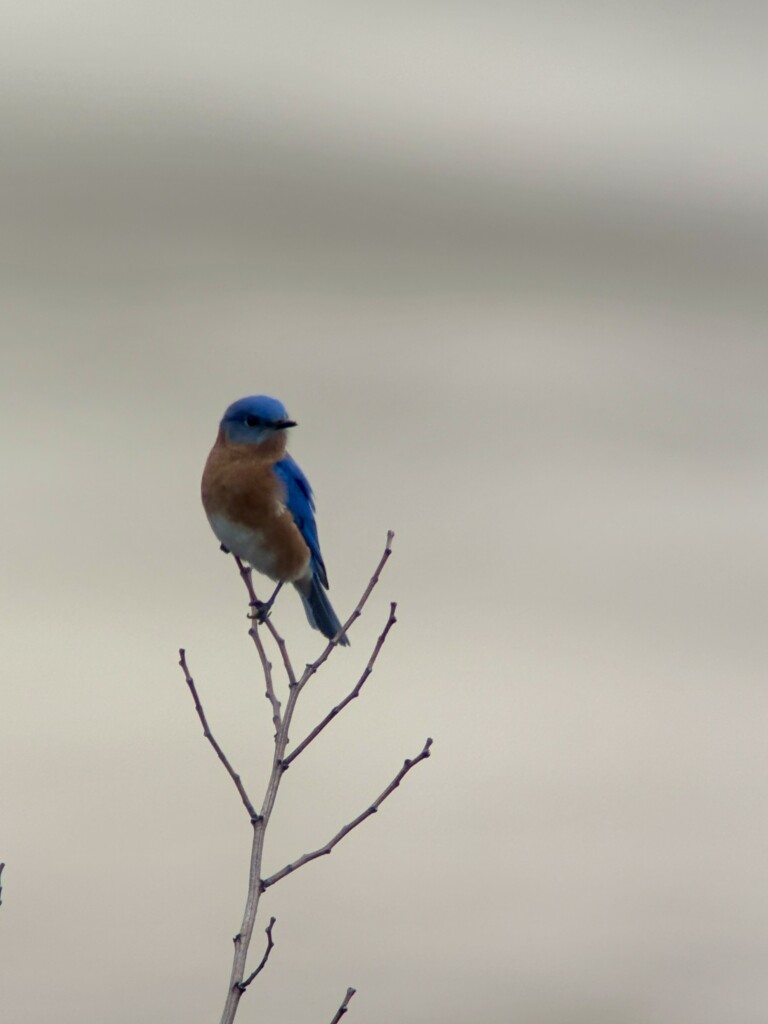
The morning began under thick fog and mild temperatures in the low 50s, eventually climbing to about near 60. Despite the gray start, the weather had one key ingredient. South winds. That was enough to trigger our first longshore flight count of the season.
Early spring movements at the dunes are often dominated by blackbirds, and today followed that familiar pattern. Red-winged Blackbirds led the count with over 400 birds, joined by over 300 Common Grackles moving steadily north along the lakeshore. Mixed in with the blackbirds were over 150 American Robins, another classic early migrant at the dunes. Their steady movement overhead was punctuated by the sharp calls of dozens of Killdeer, many traveling in small groups of five or six birds as they called overhead.
The highlight of the morning was probably the two Merlins that zipped past the tower in quick succession. These small falcons often patrol the shoreline during migration, taking advantage of the steady stream of smaller birds moving north. As usual, they appeared suddenly, moved fast, and were gone just as quickly. The tower site is a consistent site to
Over the lake, activity was much quieter. Dense fog blanketed Lake Michigan for much of the count, limiting visibility and likely suppressing waterbird movement. Only a few ducks were observed, including Northern Shoveler, Ring-necked Duck, Common Goldeneye, and Red-breasted Merganser.
One thing missing this morning was winter finches. After a modest push south earlier this winter, it remains to be seen whether any of those birds will move back north through the dunes in noticeable numbers this spring.
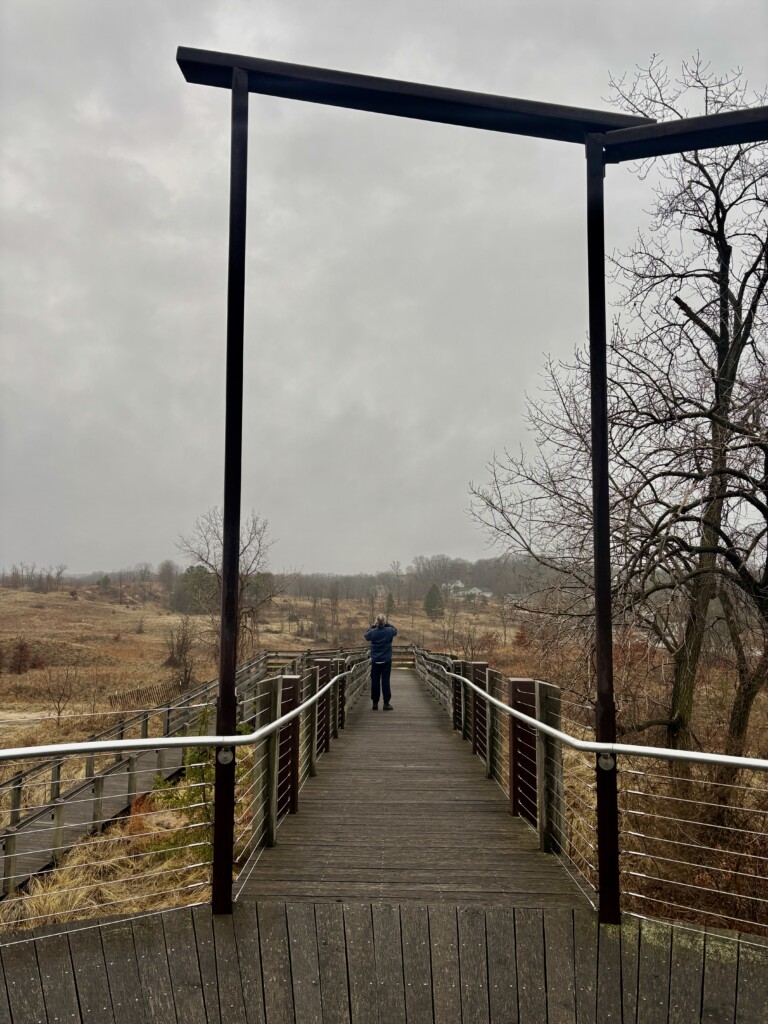
By the end of the count, a good start of 32 species were recorded. Not a bad start for a foggy early March morning. As March progresses, both the diversity and volume of migrants should steadily increase. Blackbirds and robins may dominate the early part of the season, but soon waterfowl, raptors, shorebirds, and eventually waves of warblers will begin joining the movement along Lake Michigan’s migration super-highway.
You can explore the full species list and count totals from this morning here:
https://ebird.org/checklist/S306445760
For now, Season 15 is underway, and the longshore highway is officially open.
Tags: longshore flight survey