“The last word in ignorance is the man who says of an animal or plant: ‘What good is it?'” — Aldo Leopold
As the last Cedar Waxwings of the season fade northward and the Longshore Tower goes quiet, it’s worth pausing to ask: what good is it?
What good is standing on a windswept dune at sunrise, day after day, counting birds that may never be seen again? What good is tracking the pulse of migration in this little corner of the Great Lakes, when budgets tighten and policymakers look for easy programs to slash?
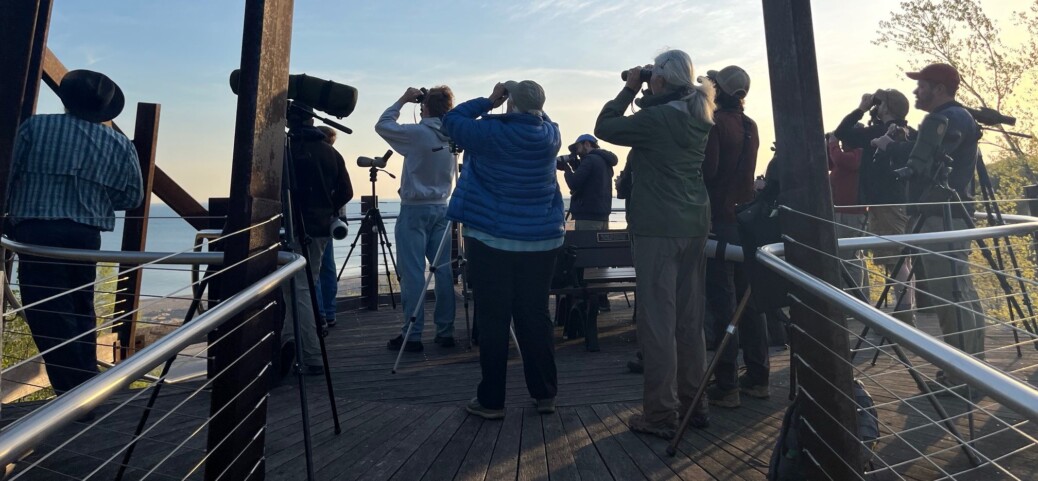
This year’s Longshore Flight Count, the 14th consecutive season of standardized morning migration monitoring at Indiana Dunes State Park, offers a sharp answer. It recorded 163,153 individual birds, pushing the project past an astounding 3 million birds counted since its start. Those numbers matter. They document real changes in bird populations, flight patterns, and the impacts of climate and disease on migratory species.
The results speak volumes.
- The peak daily migration occurred on March 18, with 41,106 birds observed.
- Other major flights followed on April 14 (32,032 birds) and April 3 (26,424 birds), each riding classic post-frontal winds.
- Red-winged Blackbird led the charge with 50,673 individuals, followed by Common Grackle (30,400) and American Robin (20,937).
- A notable raptor movement on April 18 featured Red-tailed, Red-shouldered, and Broad-winged Hawks, alongside 770 Tree Swallows and 77 Bank Swallows.
- 99 species were tallied on May 13, one of the most diverse days of the season. No single day hit 100 species this year.
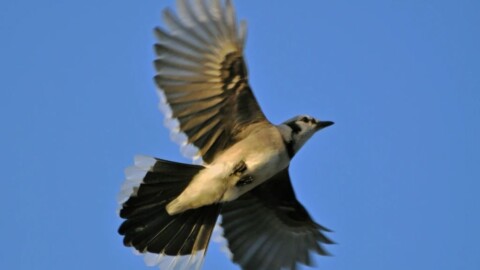
- On May 15, more than 1,600 Blue Jays were recorded in flight. This accounted for nearly 1/4 of the entire season’s flight.
- The first deployment of a nocturnal flight call (NFC) microphone brought new insights, detecting species such as Swainson’s Thrush, Yellow-billed Cuckoo, and an American Barn Owl, only the second ever recorded at the site.
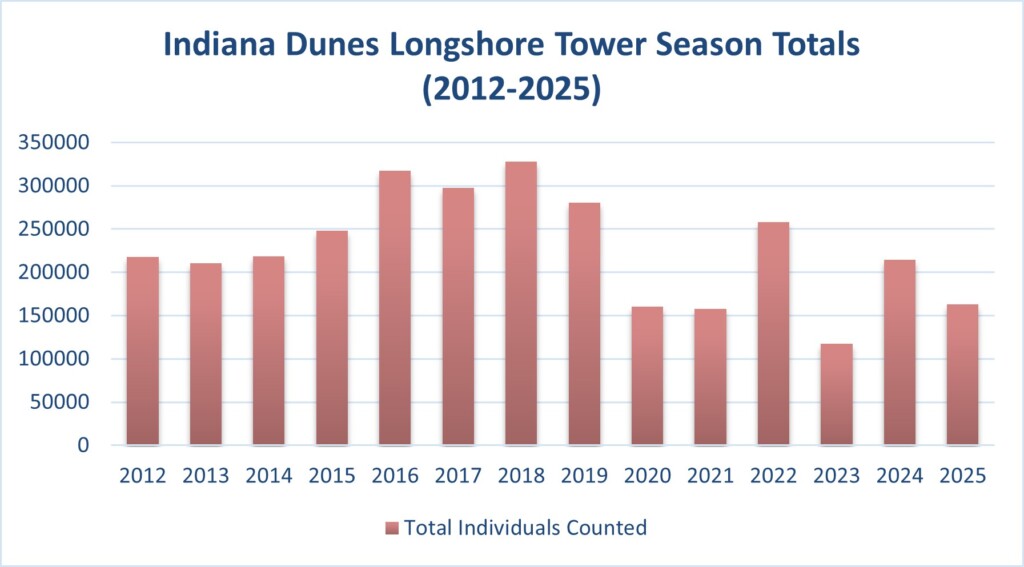
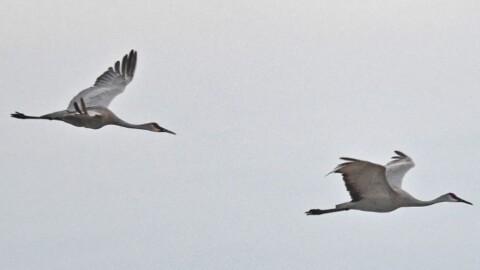
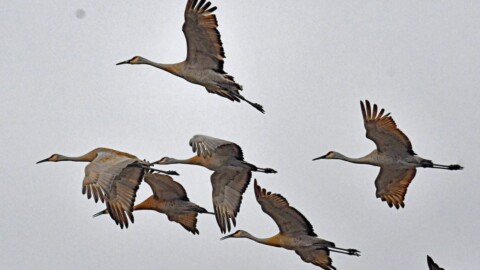
But not all news was good. Sandhill Crane migration plummeted this year. Only 8,687 cranes were tallied, compared to over 50,000 in 2024. The cause may be a mix of altered migratory timing and broader impacts from avian influenza, a sobering signal of the real-world challenges birds now face.
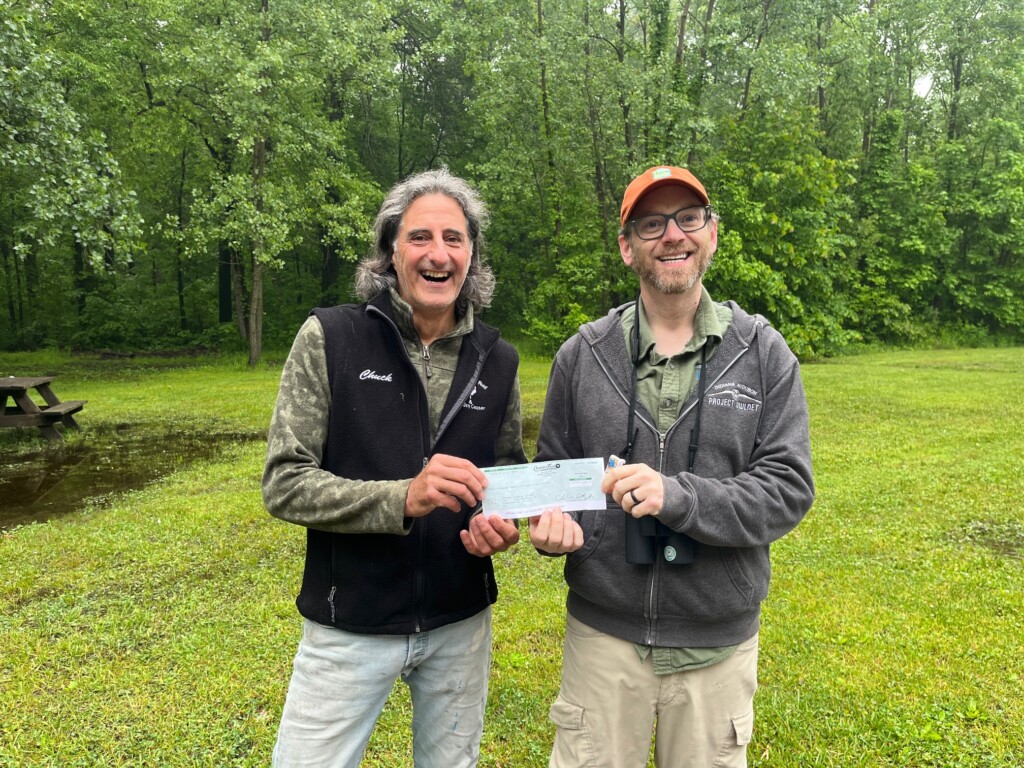
We celebrated these flights and new discoveries, but all of this came in a year when basic ecological monitoring faces existential threats. As federal support erodes and grants disappear under the weight of administrative ignorance, programs like the Longshore Flight Count survive thanks to the determination of volunteers, donations from both Audubon and community members, and the resolve of Indiana Audubon to keep them alive. This was the first year the spring longshore flight count took place with zero federal grant funding assistance.
Leopold’s warning rings loudly today. We are living through a time when the value of this kind of work is being openly questioned or quietly defunded. The cost of that ignorance is not abstract. It will be measured in lost data, untracked trends, and blind spots in conservation decisions made without the benefit of science. Indiana Audubon remains committed to this work, even when the winds blow cold from more than just the lake. Citizen-powered science like the Longshore Flight Count is an anchor against the tide of indifference. It gives birds a voice, and a name. It gives us the clarity we need to fight for them.
We will be back next spring, eyes to the sky, ready to write the next chapter. We hope you will stand with us. To support this project and others like it, visit indianaaudubon.org/donate.
To view this year’s monthly eBird Trip Reports, visit the links below.
March Longshore Flight eBird Trip Report
April Longshore Flight eBird Trip Report
May Longshore Flight eBird Trip Report