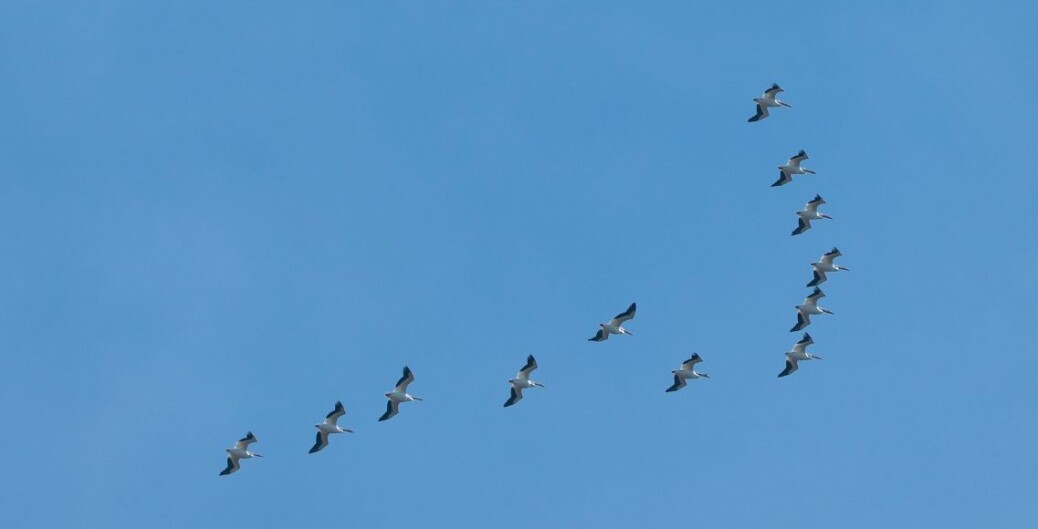
This past weekend was a great example of the story of the wind. Three days on the same tower. Completely different skies, and it all came down to the wind. Wind direction is everything along the southern tip of Lake Michigan. Southerly winds help push migrants north overnight, and when those winds meet the shoreline at dawn, birds concentrate and funnel along the dunes, creating strong morning flight. When winds shift west or north, that movement breaks down quickly, dispersing birds or stopping migration altogether.
Friday, March 20
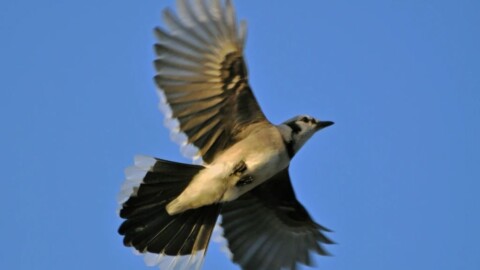
Friday had the look of a good migration day. South winds were in place, steady with enough push to get birds moving. You could feel it with a good robin movement, with musical flocks of bluebirds around the tower. Flickers also began their first noticable push northward.
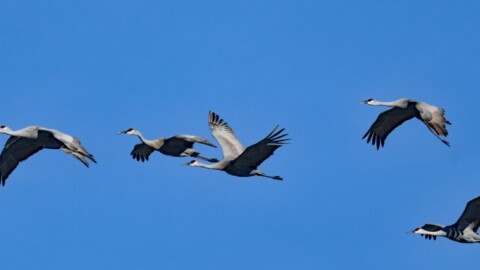
Even the cranes were there, just not in force. A few new birds arrived on the scene, including phoebes, kinglets, and other typical late March arrivals.
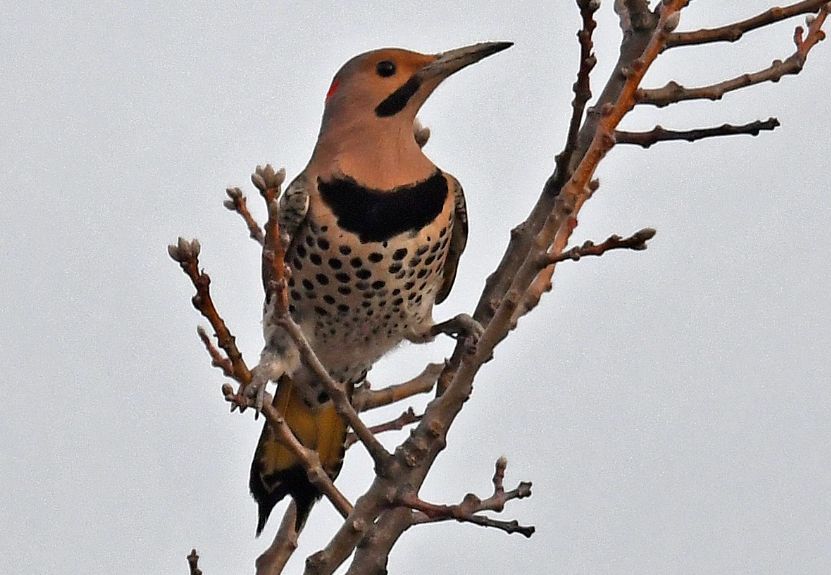
Flickers ended up leading the day with over 120 counted, while nearly 900 American Robins and more than 500 Red-winged Blackbirds pushed west in steady numbers. It wasn’t a peak day, but it was clearly building toward one.
Full eBird checklist: https://ebird.org/checklist/S311162572
Saturday, March 21
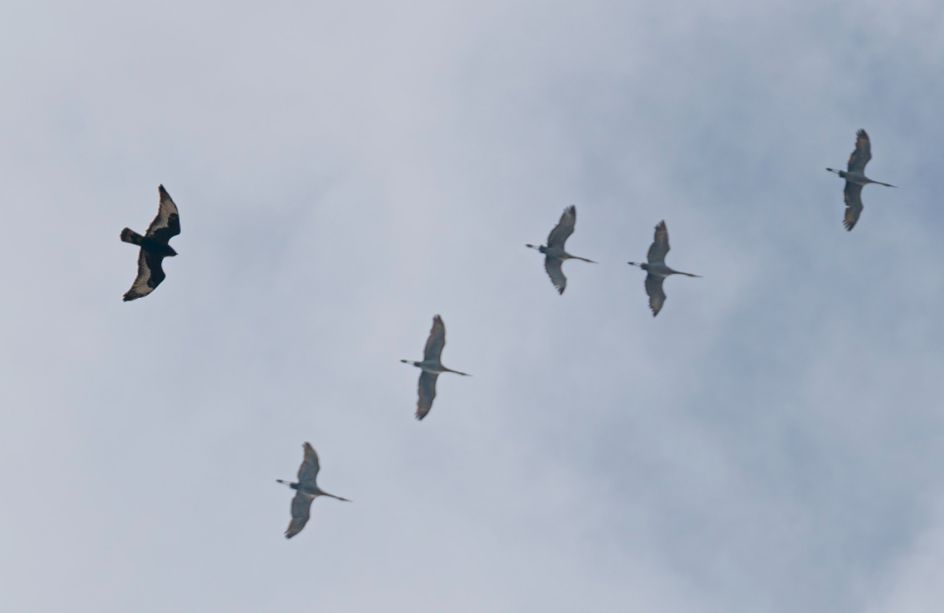
Saturday started calm, but locked into a strong south-southwest flow by mid morning. Once that did, the sky filled. It was a crane day for sure. More than 9,000 Sandhill Cranes moved west along the lakeshore, wave after wave, of what makes birding the longshore tower so amazing.
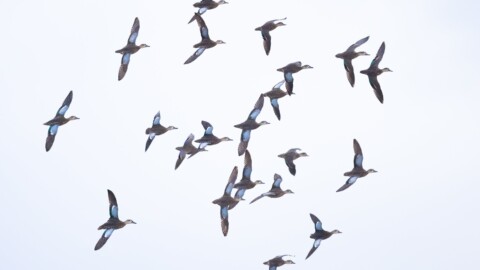
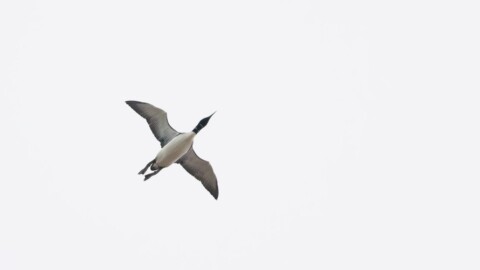
At the same time we had signfiicant water movment, with loons pushing through, grebes flying by, and a Surf Scoter. Another highlight was definitely the American White Pelicans that moved overhead in full force.
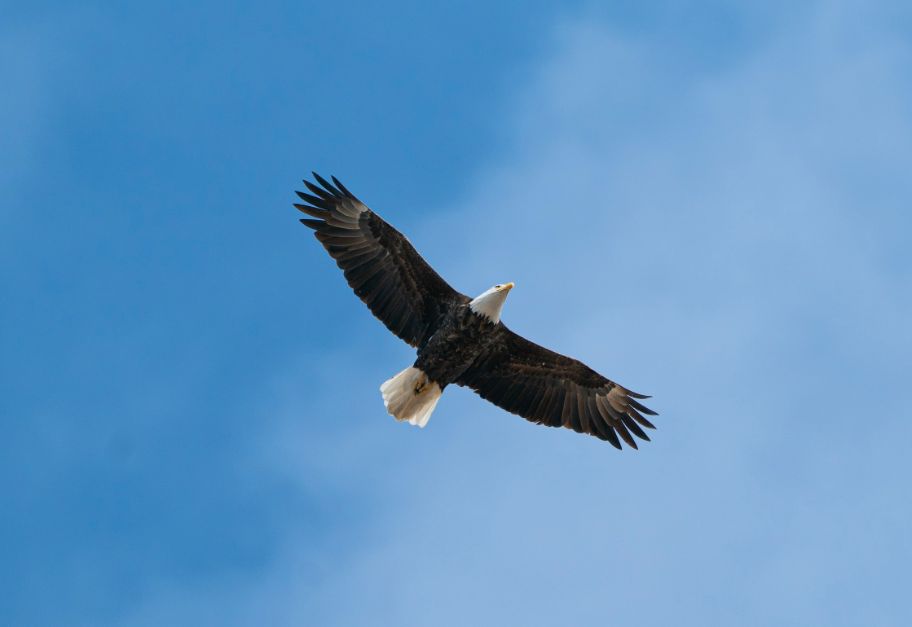
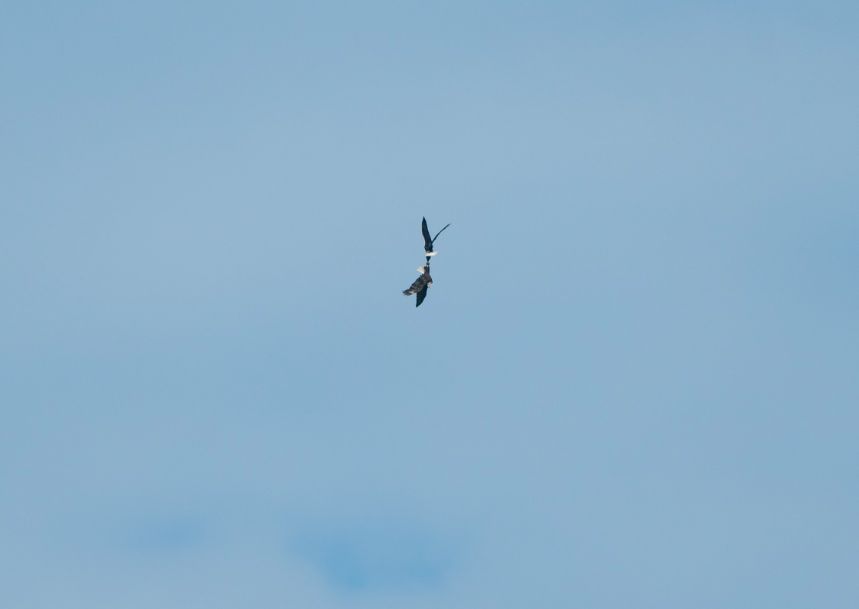
Even the raptors joined in. Bald Eagles were constant, including one pair locked together midair, spinning for a few seconds before separating like nothing happened! See the photo below.
Full eBird checklist for Saturday: https://ebird.org/checklist/S312358478
Sunday, March 22
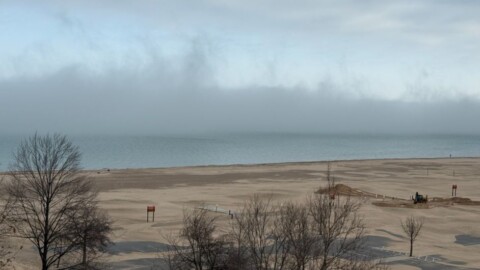
Overnight, conditions shifted hard. Southerly winds that had carried birds north through the night swung west after midnight, then turned north, dragging cold air down the lake. By morning, a stationary front sat right over the dunes, slowly sagging south.
The effect was immediate. Migration shut down. There were still birds. There are always birds! We had a few robins and grackles continue through. Perhaps re-orienting after the morning’s flight? Even with the slowdown, we had more than 400 robins, 400 grackles, and a passing by Osprey. If Saturday was the flood, we stood at the dry riverbank today.
Full eBird checklist for Sunday: https://ebird.org/checklist/S312358478
Three days, one clear pattern. The winds across the dunes, across the state, and across the contintent influence bird migration in massive ways. This weekend showed both sides of that equation in real time for us to witness.
Even the now famous local Snowy Owl followed script. It was present through Saturday, and then gone with the wind by Sunday. Follow the wind, and you don’t just see migration. From atop the longshore tower we start to actually undestand it. A little.
Nearly 100 species thus far in March in the full eBird Longshore Report Here.