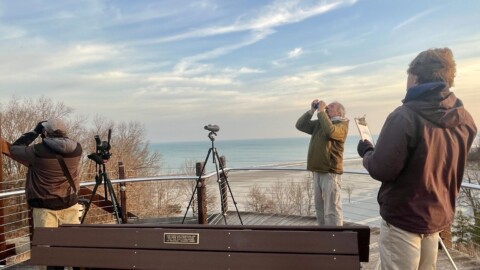
The first day of October brought a new page in the fall migration story, but not much new activity at Marquette Park. A southeast breeze and warm temperatures kept the skies quiet, and the lakefront produced only a trickle of birds moving past. Similar to the conditions the past week.
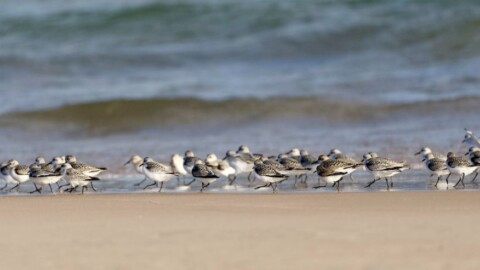
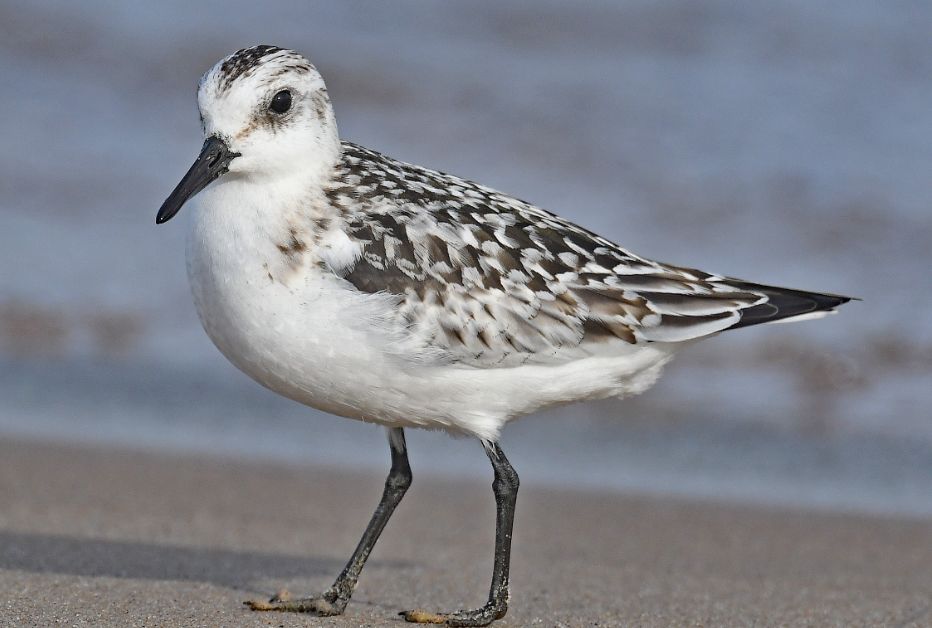
Yesterday’s lakewatch tallied 31 species in just over four hours. Waterfowl were present but not in strong numbers, with small groups of Blue-winged Teal, Gadwall, American Wigeon, and Mallard joined by a few Double-crested Cormorants and a Great Blue Heron. Shorebird movement was minimal, highlighted by a lone Sanderling working the beach.
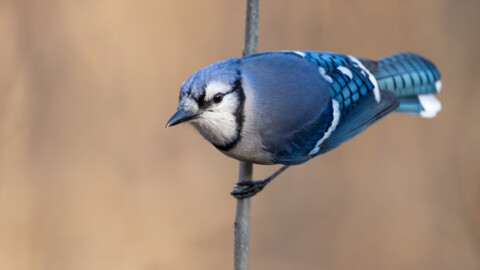
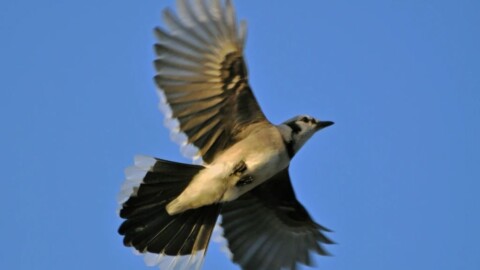
Songbirds stayed quiet as well, with just a scattering of Yellow-rumped Warblers, a Marsh Wren, and sparrows such as White-throated and Swamp marking the season’s shift. Goldfinches, starlings, and Blue Jays rounded out the checklist.
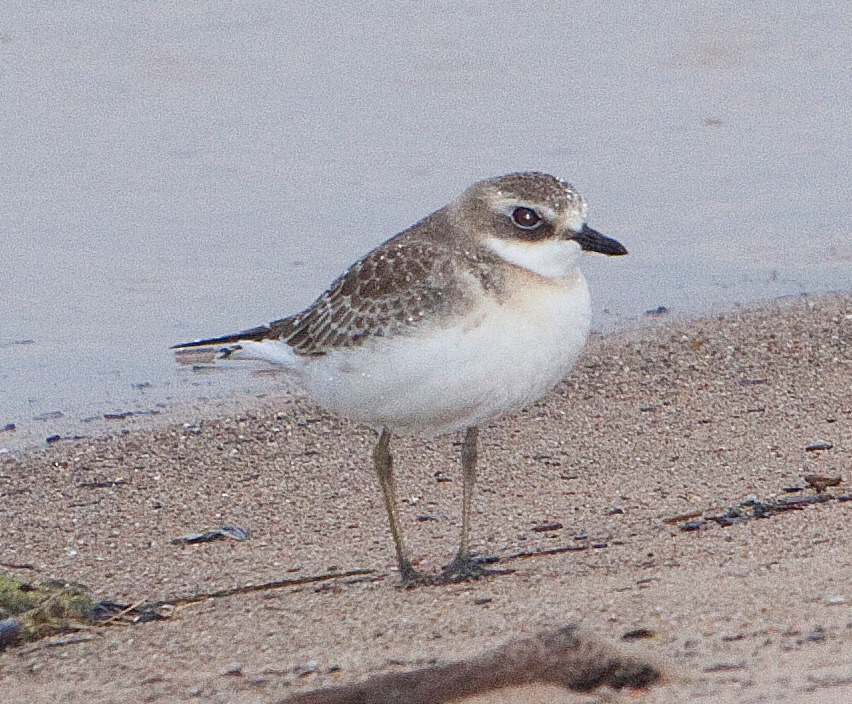
Even so, history tells us that slow days don’t mean uneventful ones. Back in October 2013, during another federal government shutdown that closed off access to the Indiana Dunes National Lakeshore, a Lesser Sand Plover was discovered at Michigan City. When the shutdown ended days later, birders rushed back into the park and remarkably refound the same bird at West Beach, some 15 miles to the west. For a species that breeds in Siberia and winters in Asia and Australia, its pit stop on the southern shore of Lake Michigan remains one of the most jaw-dropping rarities ever recorded here.
It’s a reminder that while today may have been quiet, October has a way of surprising us. All it takes is the right wind, the right moment, and a watchful eye on the lake.
Looking for some season summaries?
August eBird Trip Report
September eBird Trip Report
October eBird Trip Report
Fingers crossed that a shift in the wind is coming early next week!
Tags: fall waterbird survey