Photo: Swainson’s Hawk photographed by Mark Welter at Goose Pond Fish and Wildlife Area on April 29, 2023.
BY MARK WELTER
A “Big Year” by definition is attempting to see as many bird species as possible within a specific area over the course of a calendar year. For Hoosier birders, doing an Indiana Big Year has become synonymous with joining the “300 Club,” but seeing 300 or more species in the state within a single year is a goal that fewer than 35 people have actually achieved. In December of 2022, I stated that one of my birding goals for the coming year was to beat my previous personal best species count of 279. My friends repeatedly reminded me that 280 was awfully close to 300, and eventually my resolve crumbled, and I decided to give this Big Year thing a shot. Here, I have put together some tips that I hope will be useful to any of my fellow birders considering doing their own Indiana Big Year.
1: Start in December.
One does not simply wake up on January 1 and decide to do a Big Year. If you want to be successful, you need to make a plan, and the earlier the better. I started by making lists of the various species to focus on in each quarter of the year, as well as a list of “anytime” birds, and my special “problem children.” I also set a number of goals to hit throughout the year to help keep me focused and on-task.
2: Hit 100 in January.
This is critical if you are doing a Big Year! Knocking out a lot of species early will set the pace for the rest of your year, plus you have a good chance of picking up rare birds that may be continuing from the previous winter.
3: Spend time, money, and miles.
Joining the 300 Club is both time-consuming and expensive. You have to go where the birds are, and for some birds that means putting in a lot of windshield time. I don’t mind driving, but gas is expensive. So if I’m going to take a big trip, I like to maximize my time in the field seeking out as many targets as possible to make the effort worthwhile. Of course, Murphy’s Law says that a day or two after a long-distance trip, a rarity will show up in the exact same place and you’ll have to go right back. Saddle up!
4: Use your tools.
Birders today have a wealth of resources to assist in planning and conducting a Big Year. eBird is invaluable for keeping up with sightings, checking out new locations, and generating lists of potential target species for trips. Also, keep up with the various Indiana birding social media pages and chat groups; rarities will often be reported in these venues long before they hit eBird (if they do at all). Finally, let your network of birding friends (you do have one, right?) know you are doing a Big Year, and ask them to kindly pass information along if they run into good birds while they are out in the field.
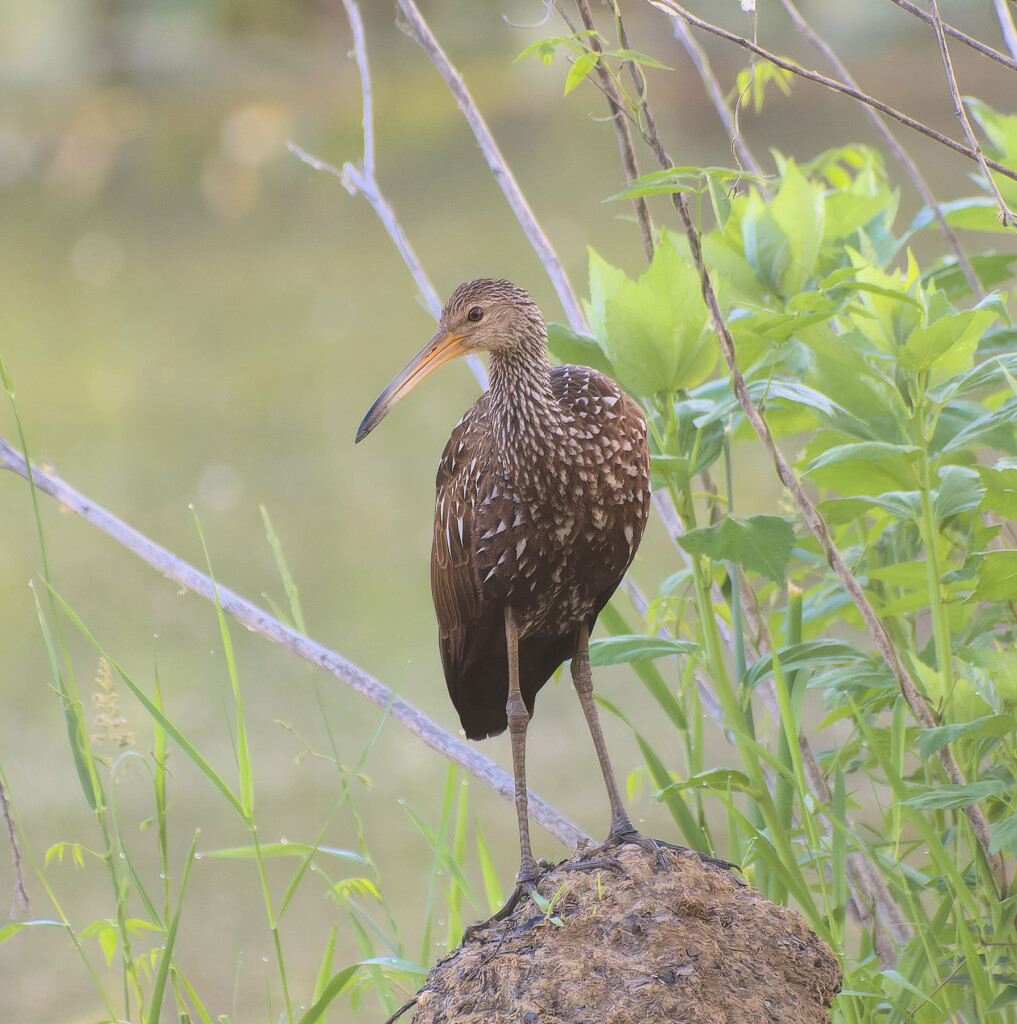
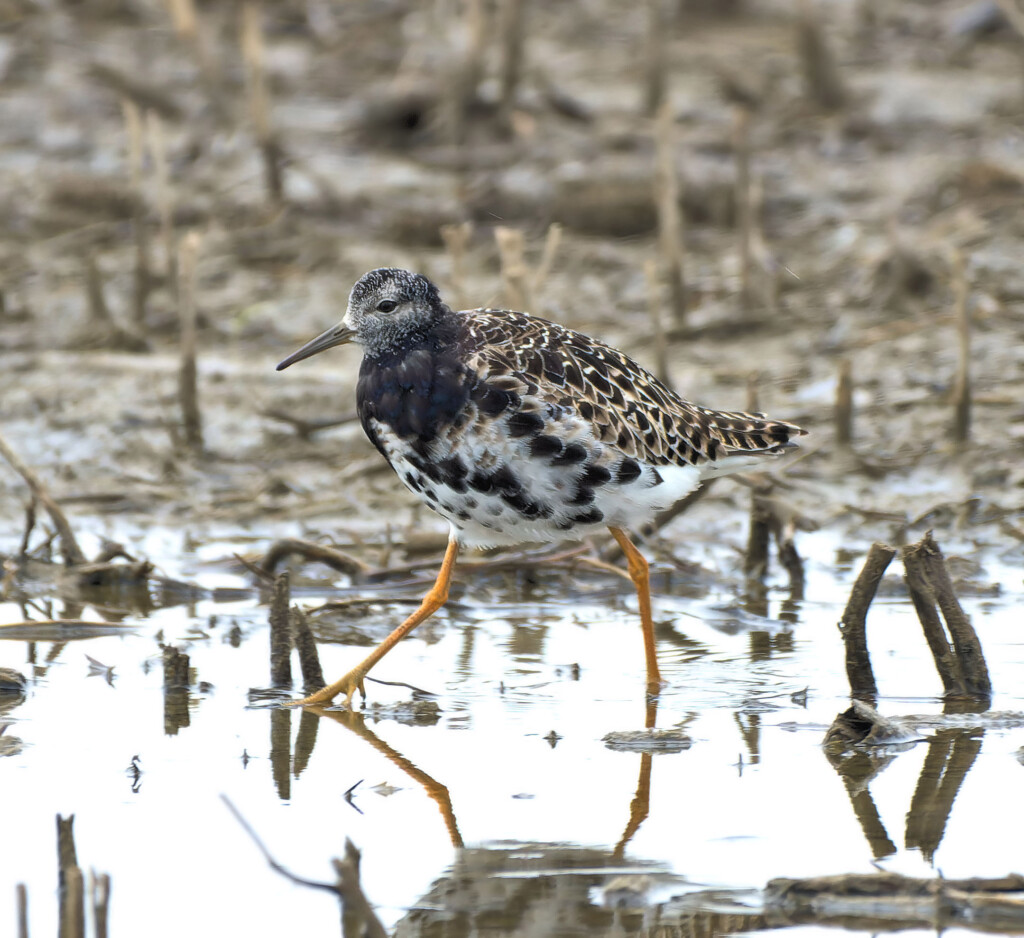
Photos: Limpkin (left) at Lake Lemon on May 31, 2023. Ruff (right) in Hancock County on May 16, 2023. Mark Welter
5. Focus on the hard birds.
Indiana’s official checklist includes more than 420 species. In any given year, somewhere between 320 and 340 species are reported. There are probably 50 to 100 species on which you will want to focus the majority of your Big Year efforts. Any species that shows up that doesn’t have Indiana as part of its range map, you gotta chase. Then there are birds that show up in Indiana annually, but only in a very specific time window and/or location. You have to make a special effort to go get them, too. Finally, there are the “problem children,” which are your own personal nemeses. Concentrate on these more difficult species, and trust that you will pick up the easier ones along the way.
6. Don’t forget the easy birds!
During a Big Year, every bird is a number. The bulk of the regular species may in fact fall into place as you are running down the harder ones, but don’t take anything for granted. You’ll want to make sure you “sweep” all the expected woodpecker, waterfowl and warbler species… and pick up a Starling, House Sparrow and Rock Pigeon along the way.
7. Bird. Every. Bird.
You never know where a rarity or target species may be hiding! Scan large flocks thoroughly, looking for anything that stands out as different—there may be a Western Sandpiper in that flock of Semipalmateds. Also, look closely at individuals of the “expected” species to make sure they are what you assume—that large, dark raptor you dismissed as an immature Bald Eagle may just turn out to be a Golden!
8. Stick with it!
You’re going to have misses, and they are going to hurt. Some of them badly. Nobody likes doing the “drive of shame” after an unsuccessful chase. But a Big Year is a marathon, not a sprint. You will probably have multiple opportunities at many species (even some of the hard ones) throughout the year. Also, beware the mid-year slump! You may find that you have “run out” of birds around the end of May. Your needs alert and your rare bird alert will essentially become the same. You will be bored. You will have to make long trips to chase down single species when they pop up. But this is a GOOD thing; it means you’re in the home stretch! Keep a positive outlook, and keep grinding.
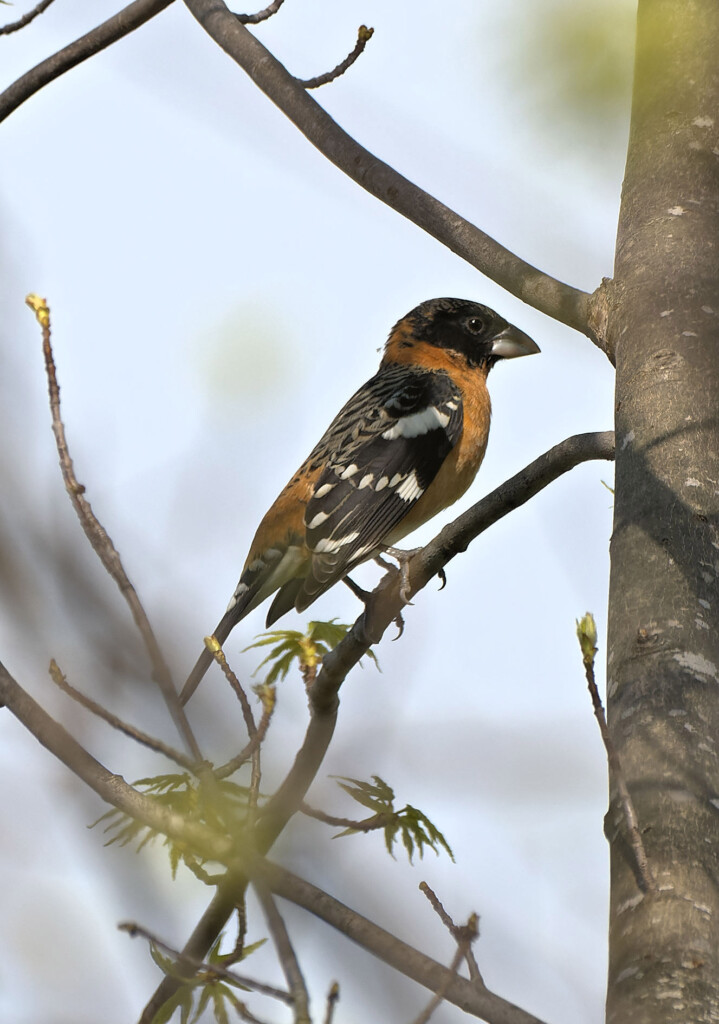
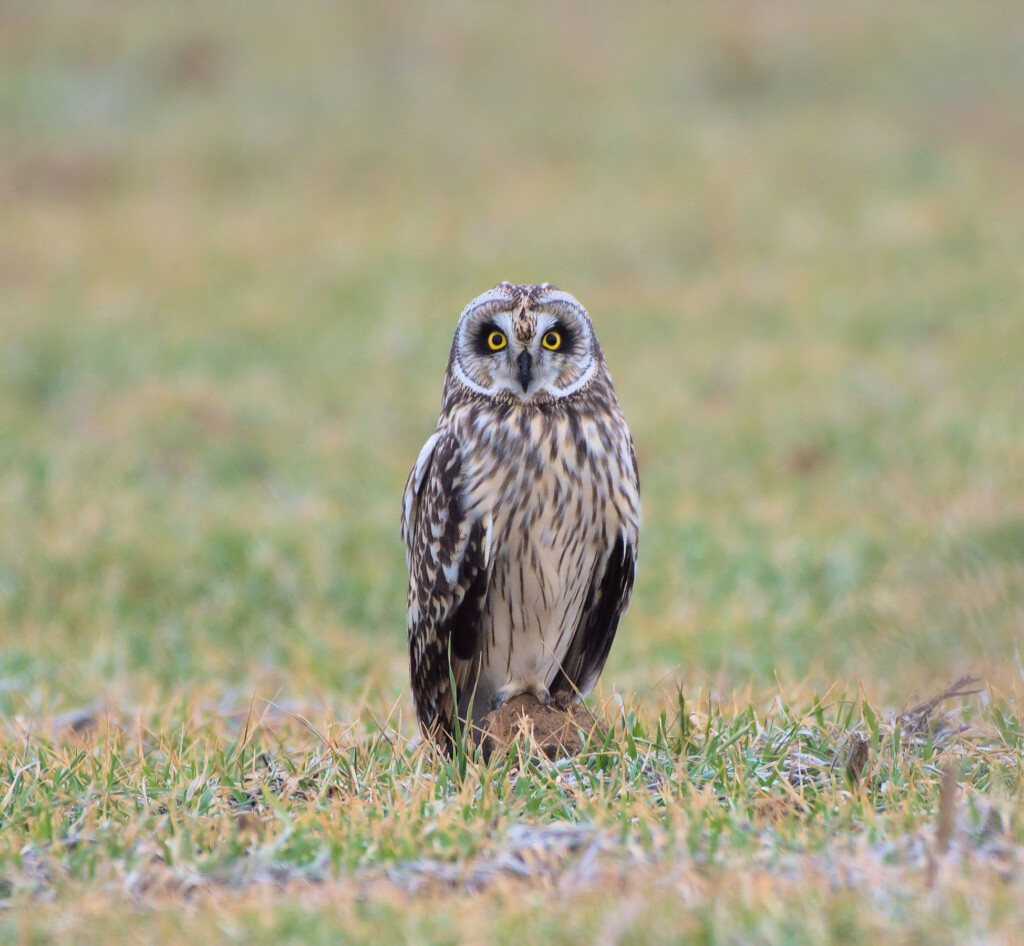
Photos: Black-headed Grosbeak (left) in Hancock County on April 15, 2023. Short-eared Owl (right) at Bear Run Mines on Jan. 1, 2023. Mark Welter
9. Celebrate the milestones.
Don’t focus on how far you still have to go, but rather on how far you’ve come! Did you smash that January 100? Get your first-ever warbler sweep? Shout it from the rooftops! Posting about your Big Year milestones on social media will not only result in positive feedback from your fellow birders, but it will create a de facto journal of your efforts that you can look back on fondly in the future – and that other 300 Club aspirants might use when planning their own Big Year.
10. Have fun.
Birding is our way to temporarily escape the worries and responsibilities of our everyday lives, and we should be enjoying it! If the Big Year grind gets to be too stressful, take a break. Sometimes, you might just need to go out birding. Focus on spending some quality time with the birds that are present, rather than trying to see or hear everything you possibly can. If you are a photographer, concentrate on getting some awesome images of whatever birds you come across. Then, once you are refreshed, re-centered and ready… hit the gas again.
Mark Welter joined the Indiana 300 Club on Sept. 16, 2023, with Eared Grebe. He would like to thank everyone who contributed advice and encouragement throughout his Big Year effort.
This story originally ran in the December 2023–January 2024 print edition of The Cardinal.
Tags: birding insights