BY BRAD BUMGARDNER
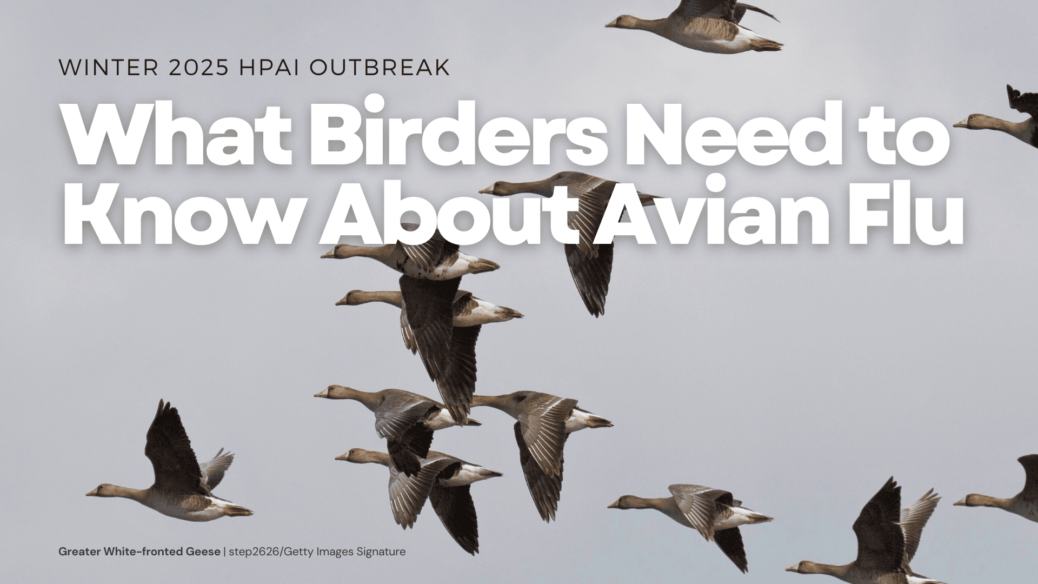
As birders, we’re eager to get outdoors and enjoy Indiana’s incredible birdlife, especially during early spring migration. However, with highly pathogenic avian influenza (HPAI) present in Indiana, it’s important to take precautions to protect ourselves, our pets, and the birds we love.
Understanding HPAI
HPAI primarily affects bird populations, particularly waterfowl, shorebirds, and raptors. While human infections are rare, it’s essential to be aware of the potential health risks and take simple steps to minimize them. HPAI has ben detected in wild birds across North America and has also been found in mammals, including domestic cats and dogs.
Watch for these symptoms in wild birds:
- Lack of coordination or difficulty flying
- Tremors, head tilting, or seizures
- Unusual drowsiness
- Swollen eyes or nasal discharge from the bird’s bill
Any instances of multiple dead birds found in a single location could be a sign of an HPAI outbreak in the area and should raise concern.
Free Virtual Information Session
We hosted a virtual program on Thursday, March 13, 2025, discussing HPAI’s impact on wild birds and birding with Nicole Harmon, director of wildlife rehabilitation at Humane Indiana Wildlife.
Best Practices for Birders
- Stay Informed: Before heading out, check for updates on HPAI cases from trusted sources like Indiana Audubon, the Indiana DNR, the Indiana State Board of Animal Health, Humane Indiana Wildlife, or other local wildlife rehabilitation centers.
- Avoid High-Risk Locations During Outbreaks: If confirmed HPAI cases are nearby, avoid areas with large gatherings of waterfowl or shorebirds to minimize exposure.
- Keep Your Distance: Use binoculars or spotting scopes to observe birds from a safe distance, avoiding close contact with large flocks, particularly in high-density areas like wetlands.
- Stick to Trails: Stay on marked paths to minimize disturbance to wildlife and prevent the spread of contaminants.
- Reduce Gear Contamination Risks: After birding, leave your hiking shoes outside or in a designated area to avoid tracking contaminants indoors. Clean your tripods and binoculars between visits to different birding locations.
- Never Handle Sick or Dead Birds: If you find one, avoid direct contact and report it to the Indiana DNR using their online form at on.in.gov/sickwildlife.
- Pause Backyard Feeding (If Advised) or Clean Feeders Regularly: If the Indiana DNR recommends temporarily stopping backyard feeding during an outbreak, Indiana Audubon will notify the birding community. In the meantime, regularly cleaning bird feeders and birdbaths with a solution of 9 parts water to 1 part bleach will help prevent disease spread.
By following these simple practices, you’ll help slow the spread of avian influenza, protect wild birds, and keep yourself and your pets safe during migration season. Thank you for supporting the effort to ensure Indiana’s bird populations stay strong and healthy.
Tags: avian influenza birding insights