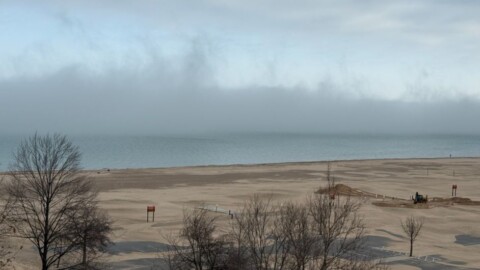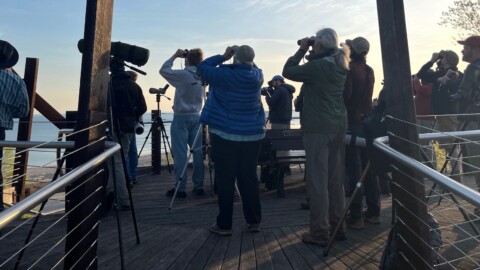
Cupid apparently likes favorable tailwinds. With an unusual south wind on Valentine’s Day, one of our early counters trudged through late season lake-effect snow pack to host a three hour count from the Dunes SP Observation Tower. It was a tidy little preview of the season, and exactly the sort of day that gives us an early read on what’s coming when official counts start in two weeks!
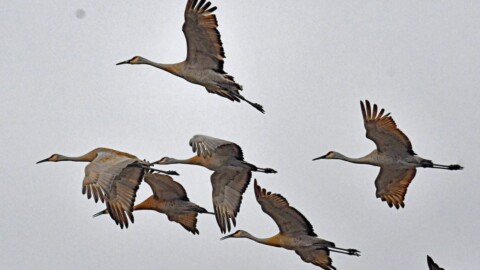
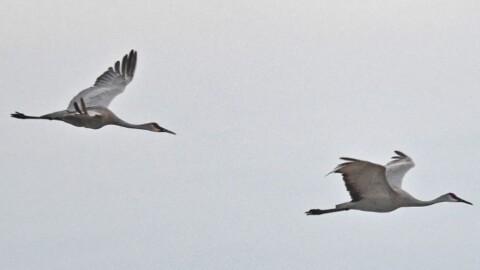
Brendan Grube’s preseason count from the Observation Tower on Feb 14 turned up 41 species and a tidy mix of big waterfowl numbers, good seaduck and loon variety, and a few winter holdovers that remind us spring is still easing in. The day was dominated by Canada Geese and Red-breasted Mergansers, with Lesser Scaup and Redhead in the mix, while loons and scoters added coastal flavor. A lone Sandhill Crane, flocks of Horned Larks and a Snow Bunting kept the winter story visible,
You can view Brendan’s full checklist on eBird here: https://ebird.org/checklist/S300532325
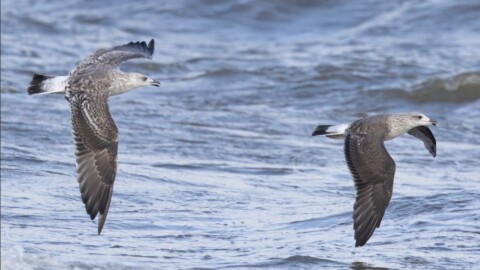
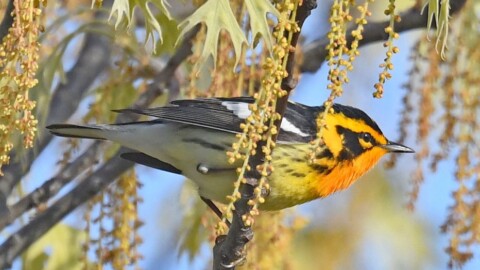
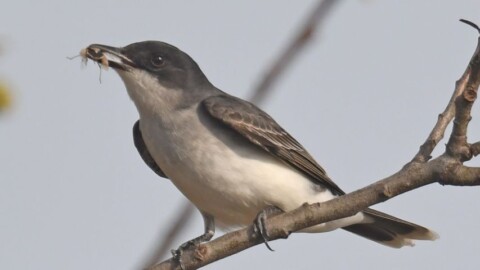
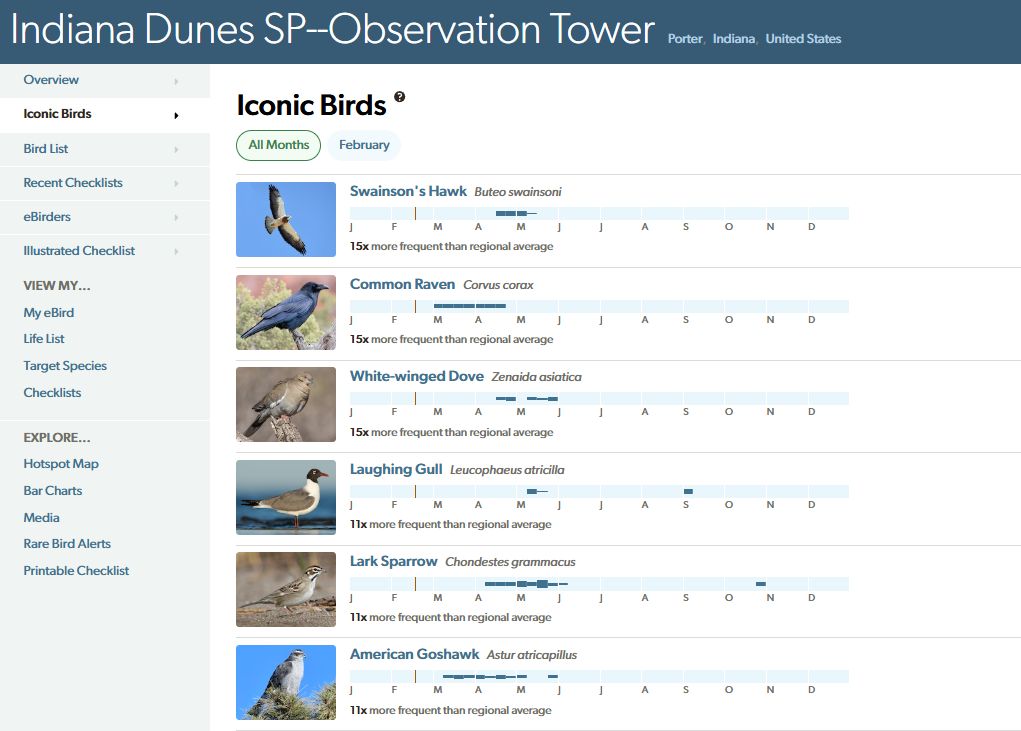
The Observation Tower is more than a place to add numbers, it’s a vantage point for stories. eBird’s new Iconic Birds list for the tower highlights species that occur there at higher rates than the regional average, and that pattern changes across the three spring months. In March the tower often reads like a waterfowl and early-raptor station, with big scaup and merganser pushes and signature early-season visitors such as longspurs and horned larks. April brings the first real taste of songbird migration, with rising totals of swallows, kingbirds, and the first trickles of warblers. By May the tower is in its prime for warbler diversity, swallows on the move, and big blackbird flights, plus the raptor and gull movements that make the lakeshore unique. That three-month arc, from waterfowl and winter holdovers to a full-on spring chorus, is why the tower matters as a migratory hotspot. If you want to explore the species that show up most often at the site, check the tower’s Iconic Birds page on eBird: https://ebird.org/hotspot/L2091564/iconic-birds
Official longshore flights begin in about two weeks. If February hands us more south winds, expect more waterfowl and the early seeds of spring migration. We’ll post schedules and trip reports once counting starts. If you’re a birder in the NW Indiana and feel confident in your ID skills, consider learning more about single day point count opportunities.