The Brock Fall Waterbird Count is now two weeks in, and August delivered its usual mix of slow burn days and sudden bursts of migration. What started with scattered shorebirds and calm southerlies has ended with a full slate of highlights, thanks to a much-needed push of north winds.
Shorebirds set the pace this month. Baird’s Sandpipers popped up on multiple days, a Red Knot worked the beach on the 28th, and an orange-flagged Piping Plover gave us a rare glimpse of Great Lakes grit back on the 22nd. Sanderlings, Semipalmated Sandpipers, and the occasional Ruddy Turnstone or Least Sandpiper kept things interesting in the surf.
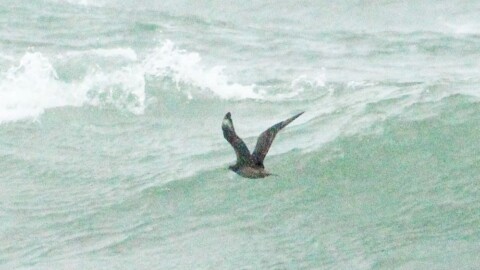
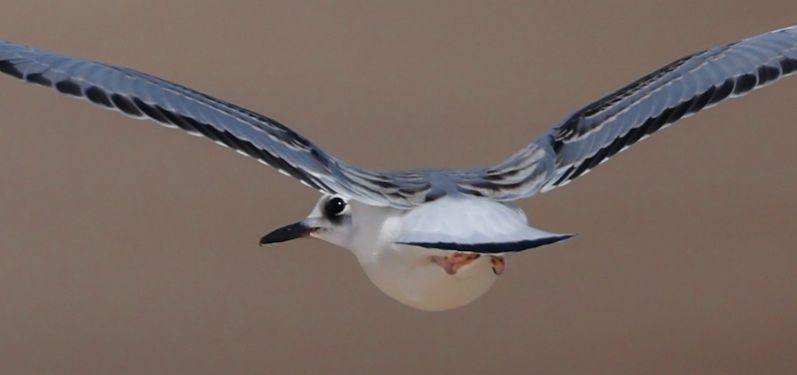
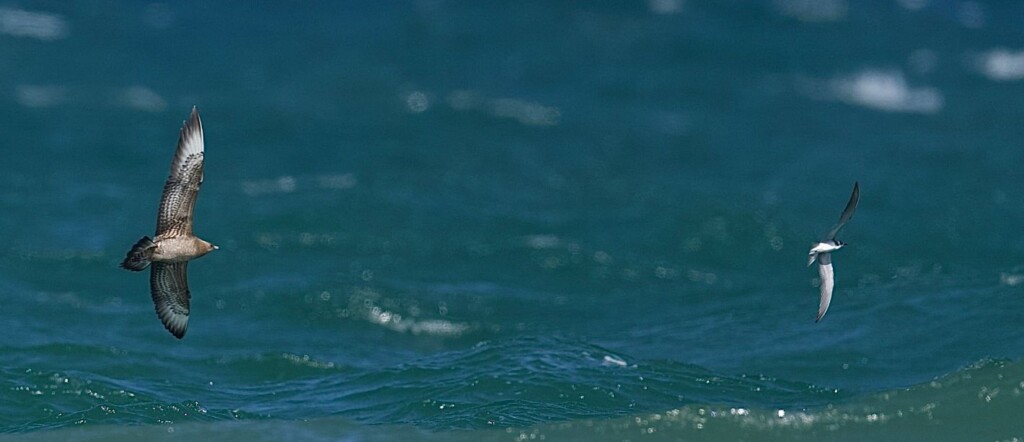
The big news, of course, has been jaeger season opening in style. August 26 produced the season’s first Long-tailed Jaeger, a juvenile that cut across the lakefront with all the drama we hope for. Not long after, a Parasitic Jaeger stormed the gull flocks, flashing bold tail feathers and keeping the counters on edge. That show continued on the 28th and 29th, when multiple Parasitics and a possible second Long-tailed gave the team some of the best action of the month.
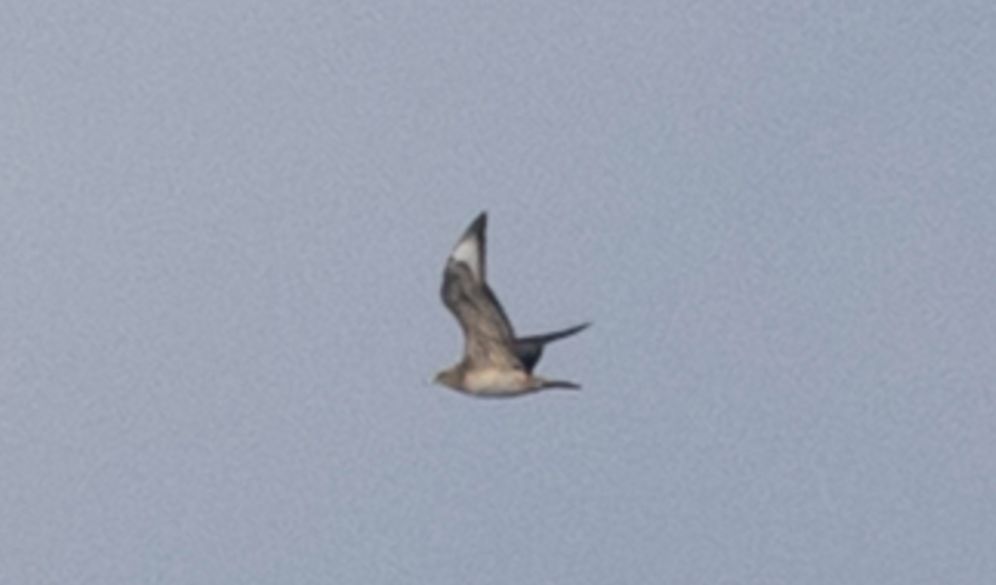
So, what are jaegers anyway!? Jaegers are sleek, gull-like seabirds built for off-shore piracy. Instead of diving for fish, they spend much of their time chasing gulls and terns until the unlucky bird drops its catch. Three species occur in North America: Parasitic, Pomarine, and Long-tailed. All of these are birds of the open ocean. Inland records are scarce, which is why a close pass along Lake Michigan sparks so much excitement. Seeing one power through the gull flocks here is like spotting a shark fin in a swimming pool, totally unexpected and unforgettable. Combine Miller Beach’s geographic location, and you have a perfect setup for jaeger viewing.
But here’s the catch: figuring out which jaeger you’re actually looking at is notoriously difficult. Lighting, distance, and feather variation can turn the same bird into a dozen different impressions depending on who’s watching. Our point counters wrestle with that reality every fall, often needing long looks, photos, and plenty of patience before putting a name on a bird. Rather than dive into all those fine-grain details here, we recommend this excellent breakdown from the Chicago Birding Alliance: Getting to Know Juvenile Jaegers with the Macaulay Library
Migration takes many shapes along the Great Lakes, but fall is not spring. The shoreline funnels southbound birds differently, and any real songbird “morning flight” happens mostly along the northern shores. On the south side, effective fall counting means watching the lake itself. Counting songbirds in daytime migration on these southern shores is more novelty when they occur.
Other standouts this month included a Whimbrel that dropped in on August 26, Merlin and Peregrine sightings peppered throughout the week, and even a flock of 37 Common Mergansers gliding by offshore on the 29th.
As we close the books on August, the first chapter of fall migration feels like it’s been written. It came with sand flies, calm spells, and a lot of patience, but also with the first real hints of the spectacle ahead. September should ramp things up quickly with more jaegers, gulls, terns, and hopefully the first big waves of dabbler ducks.
For the full August eBird trip report with all checklists and photos, head here: IAS Fall Lake Michigan Waterbird Survey: August 2025