From forest canopies to grassland grasses to open waters, habitats shape where birds live, feed, and put on their best shows.
Birding 101: When and Where to Bird (Part 2)


From forest canopies to grassland grasses to open waters, habitats shape where birds live, feed, and put on their best shows.

I was fortunate to grow up in rural Wisconsin with parents who delighted in my love of nature. Our home was full of Golden Guides, and one of my favorite gifts was a set of insect flashcards. My father often pointed out birds around our farm which included plenty of...
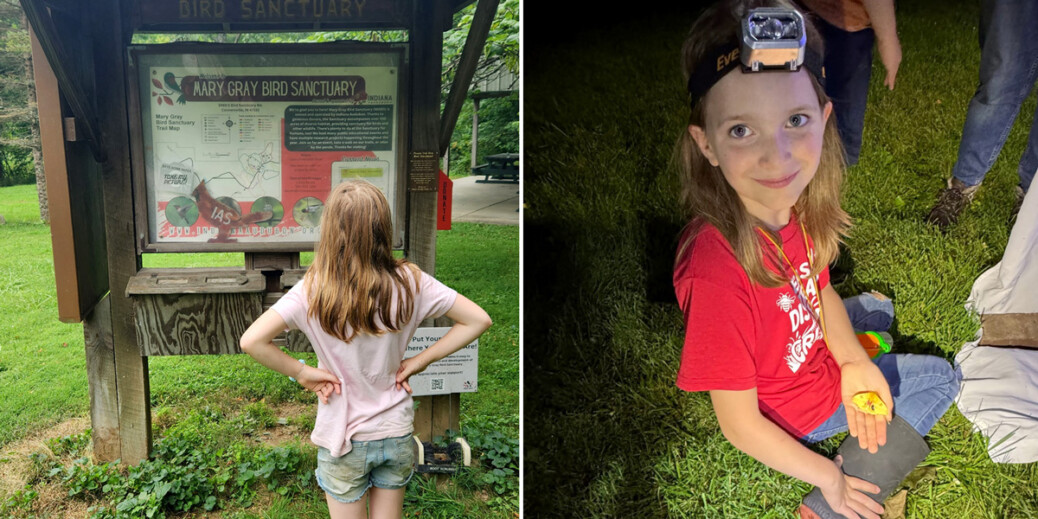
"It takes a community, one that not only cares about the animals and their habitats, but also about preparing the future generations to also care for them."
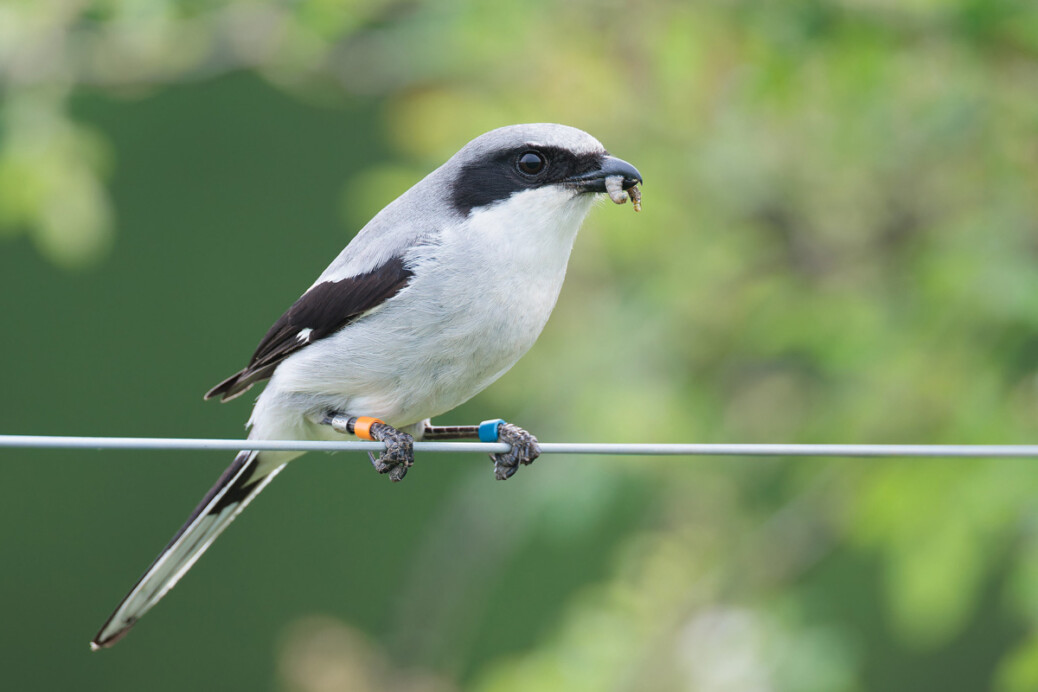
Loggerhead Shrikes are hanging on in Indiana thanks to a simple idea: planting the right shrubs in the right places.

Red‑breasted Nuthatch irruptions usually trace back to bad cone crops in their northern boreal breeding grounds. When spruces and firs fail to produce enough seed, these birds are forced to push south in search of food, sometimes reaching as far as the Gulf Coast or even northern Mexico.
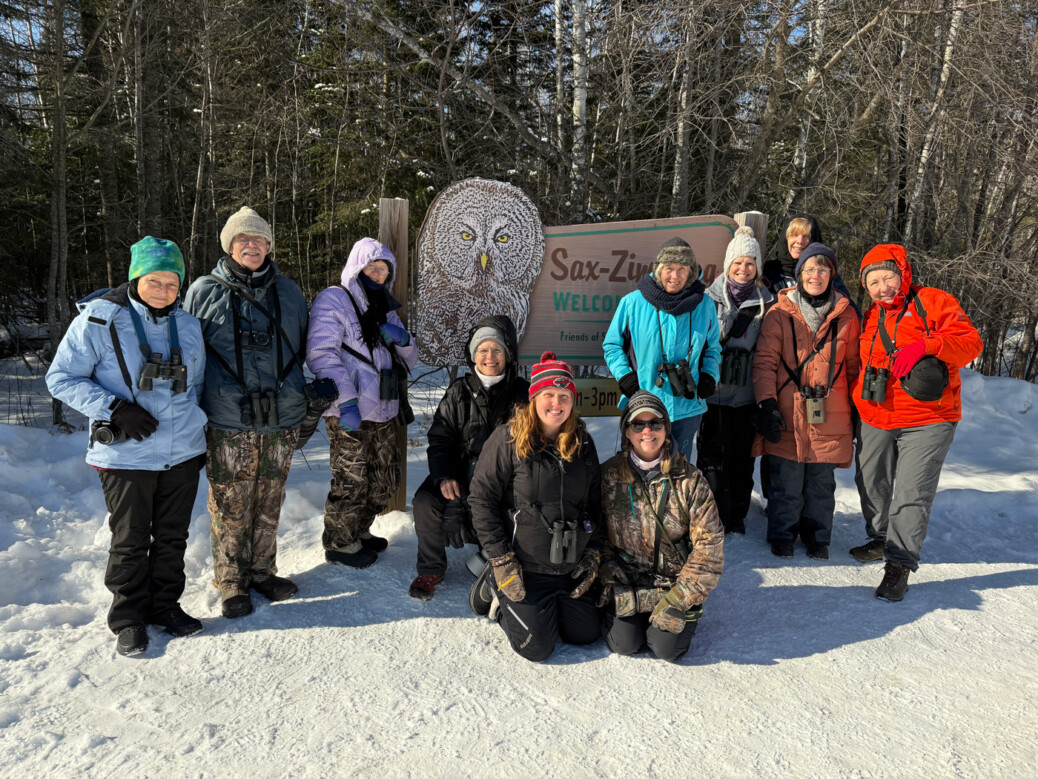
Birding tourism is growing fast however, and plenty of folks now skip straight to Colombia, Guatemala, or Ecuador for their first overseas lifer rush. The list of “starter” countries is getting longer every year.


Copyright © 2025 Indiana Audubon