Amos William Butler was known as the Father of Indiana Ornithology when his Catalogue of the Birds of Indiana was published in 1898.
Amos Butler: An Early Voice for Indiana’s Birds
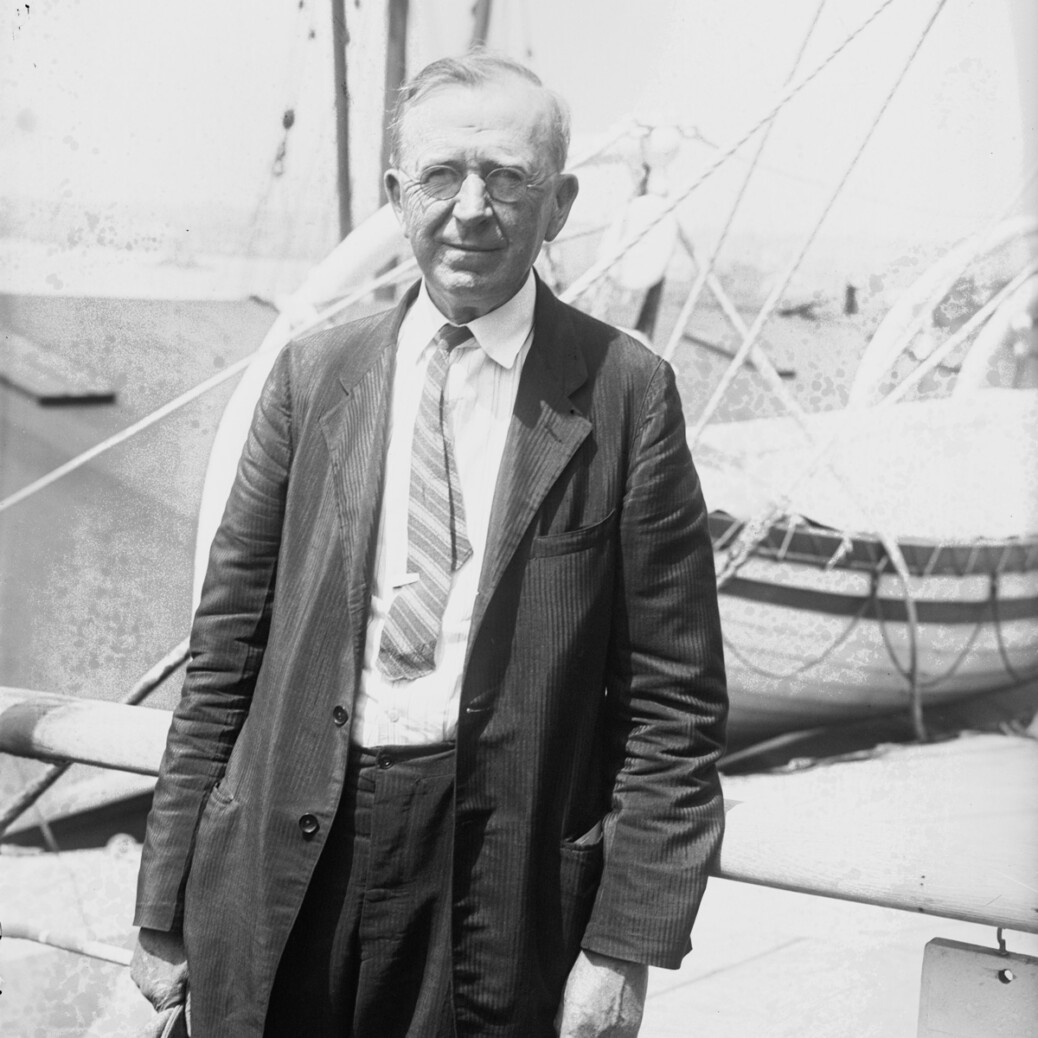

Amos William Butler was known as the Father of Indiana Ornithology when his Catalogue of the Birds of Indiana was published in 1898.
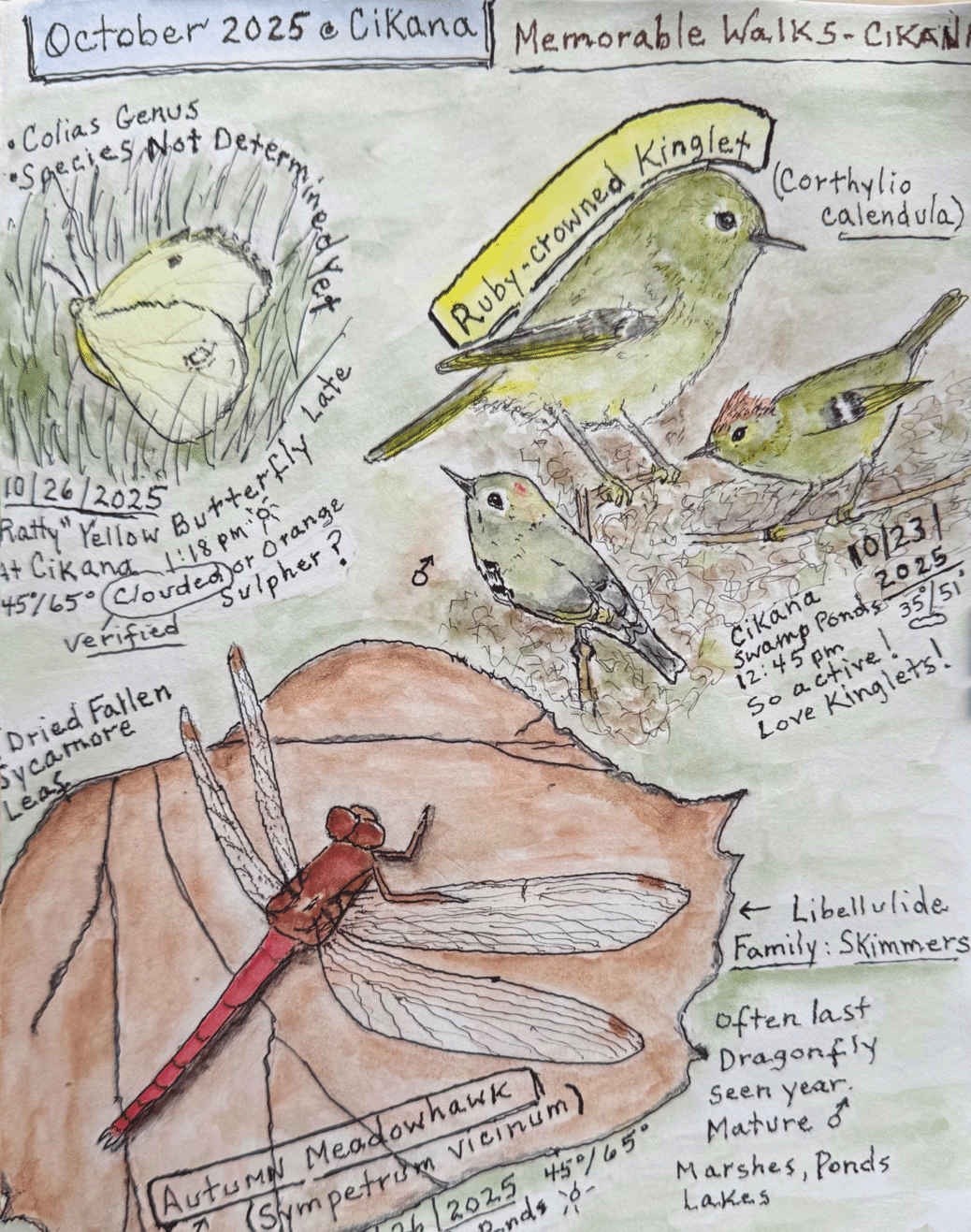
As fall moves toward winter, walk without expectations or purpose. There are still so many mysteries and treasures to observe. Take the time to document your experiences in a journal and preserve those memories.

Field marks aren't just jargon. They reveal how birds look, move, and behave. Because, as Olivia writes, "the build of a bird clues us into its behavior, and vice versa."

Several years later I began conducting and compiling Indiana Audubon summer bird counts, primarily in Boone County. Nearly 30 years of conducting and compiling these counts was invaluable in learning which species summered and nested in central Indiana.
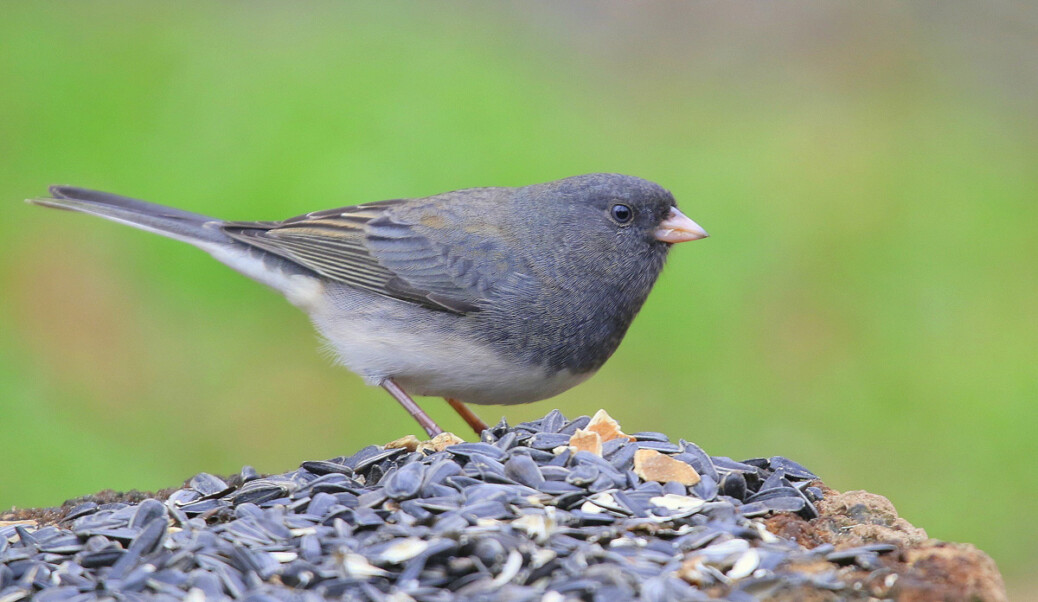
Feeder traffic slowing down? Migration, habitat shifts, and timing all play a role. These 10 insights from Indiana Audubon explain why.

Most Hoosiers are probably not familiar with Arthur Mapes' writings. Many of his poems are of Indiana, nature, and home. His family has generously made his poems available at arthurmapes.wordpress.com.



Copyright © 2025 Indiana Audubon