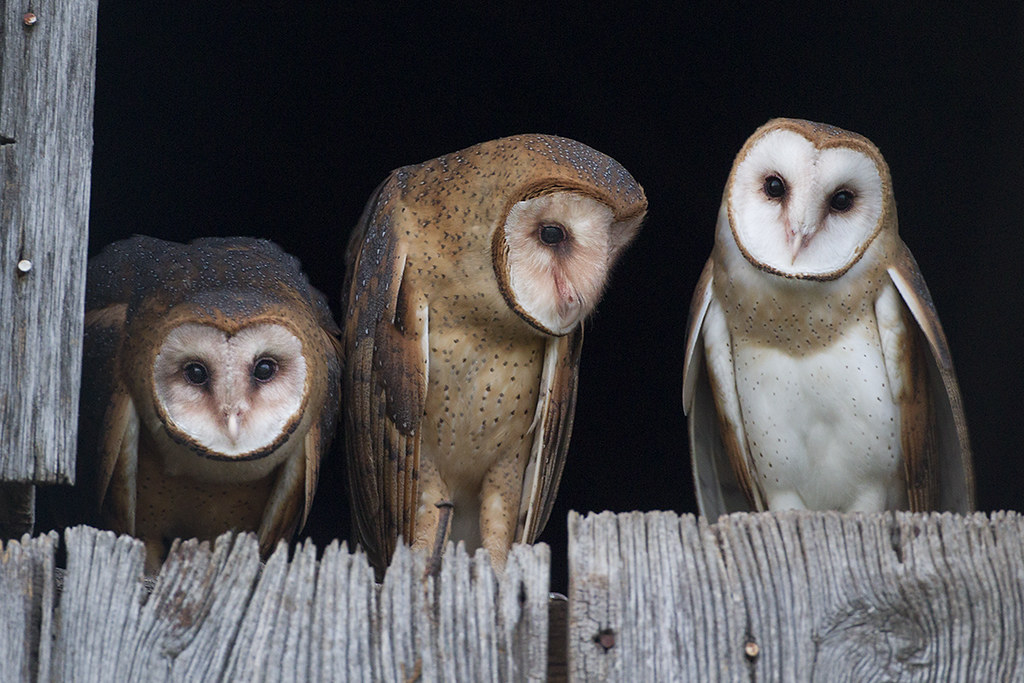
Image: Three Barn Owls perch side by side on a weathered wooden ledge at the opening of a dark barn, their pale, heart-shaped faces and speckled tan-and-white feathers visible as they look toward the camera. Photo by Marty Jones.
Help increase nesting sites for one of Indiana’s most recognizable owls. Indiana Audubon and the Indiana Department of Natural Resources are working with landowners to install and monitor nest boxes through the Indiana through the Indiana Barn Owl Initiative.
While American Barn Owls are the most widely distributed owl species worldwide, here in Indiana they are quite rare. Currently listed as state-endangered, fewer than 100 barn owl nests are reported annually statewide. This decline is attributed to habitat loss, reduced nesting opportunities, and widespread rodenticide use.
Barn owls require large areas of pasture, grasslands, or hayfields that support large numbers of rodents, their favorite food. During the nesting season, they seek out cavities in trees or man-made structures to raise their young. As modern agriculture phases out the need for wooden barns, barn owls in Indiana are struggling to find nesting sites.
Since 1983, the Indiana DNR’s Division of Fish and Wildlife has monitored barn owl populations and installed more than 400 nesting boxes. The Indiana Barn Owl Initiative aims to continue this important work by partnering with landowners to install barn owl nesting boxes in prime habitat and increase nesting success statewide.

How the Initiative Works
Application for Barn Owl Nesting Boxes
Fill out our Barn Owl Nesting Box Application to see if your property is a good location to host a barn owl nesting box. The survey is fairly detailed, so please take time to answer each question thoroughly. Your responses will help us make informed decisions that best support this state-endangered species.
Seasonal Site Review
Selected locations will be reviewed seasonally to ensure boxes are in the best possible places for barn own nesting success.
Installation Coordination
Once approved, Indiana Audubon and DNR staff will coordinate and complete installation. Safety equipment and labor are covered.
Ongoing Monitoring
Indiana Audubon and DNR staff will monitor boxes every three to five years to track occupancy, productivity and contribute to statewide barn owl data. Monitoring is an important part of conservation efforts to ensure program success.
Be a Site Host
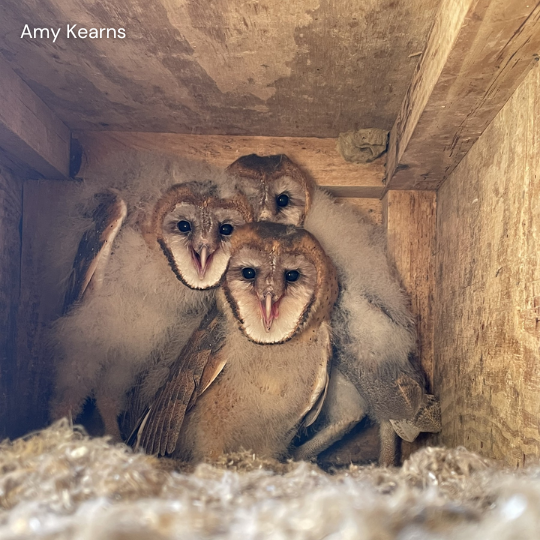
Apply to host a nesting box on your property by completing the application. Boxes are limited, so priority will go to locations most suitable for nesting success.
Be a Sponsor
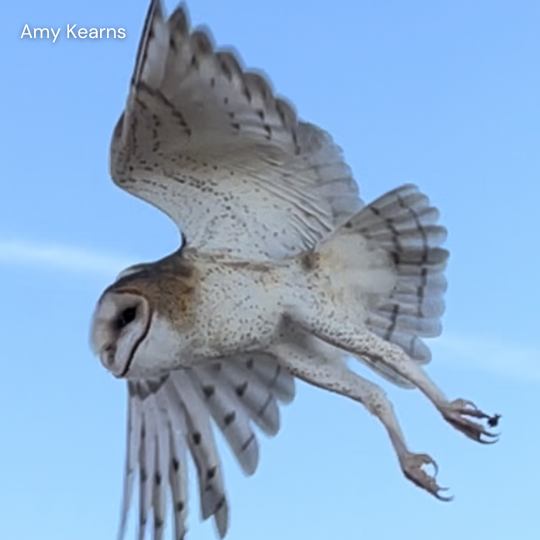
If your property isn’t suitable, you can still support the effort by sponsoring a nesting box. Your gift helps cover the cost of assembly and installation to support barn owls in Indiana.
Dive Deeper
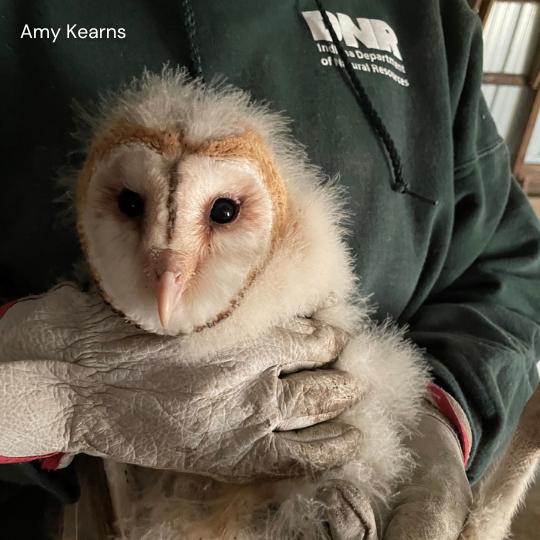
To learn more about barn owl monitoring efforts in the state, visit the Indiana DNR’s website and get information on how to build a barn owl box at home.
Adopt an Owl
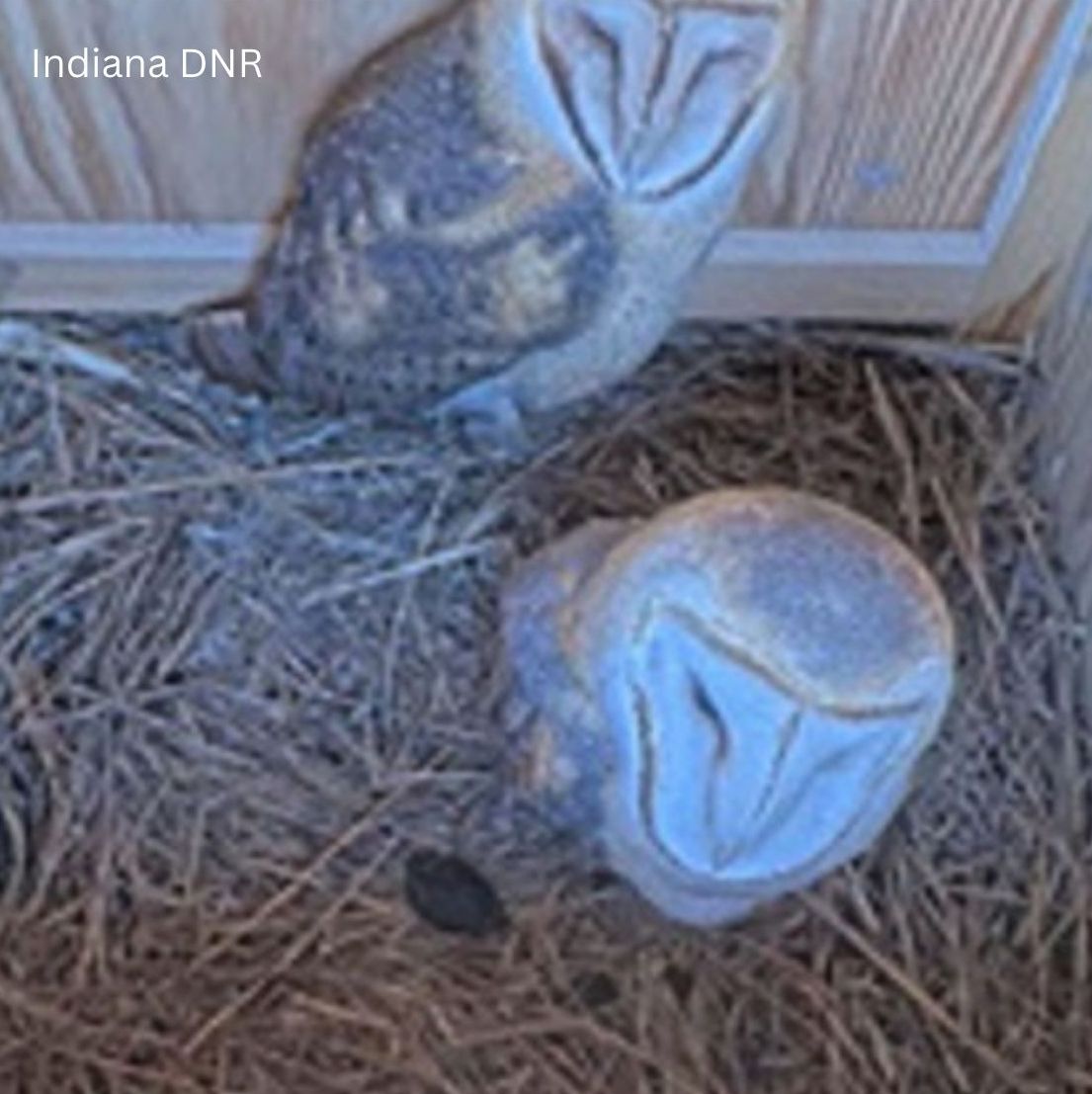
Get a front row seat to conservation. By adopting an owl, you’ll follow along with annual check-ins, banding updates, and the work we are doing to protect these birds.
Frequently Asked Questions
How can I help if I don’t live in a suitable place for a barn owl nesting box?
There are lots of ways to help the American Barn Owl even if you aren’t able to host a nesting box. Sponsor a barn owl nesting box, by covering the costs for assembly and installation you are making a difference for barn owls in the state. Donating to Indiana Audubon or the Indiana Nongame Wildlife Fund supports statewide barn owl monitoring and conservation efforts. Additionally you can volunteer your time with Indiana Audubon or a similar organization to help spread the message about the importance of bird conservation.
Where do barn owls live?
Contrary to popular belief, not all owl species live in forested areas. Barn owls actually prefer areas away from forested and urban areas. Barn owls require large areas (over 100 acres) of open habitat such as pasture, hayfields, grasslands, agricultural fields, or wet meadows that support high population densities of rodents. They are cavity nesters and will nest in tree cavities, caves, barns or other manmade structures.
How can I tell if I have barn owls on my property?
There are several ways to tell if a barn owl is spending time on your property. You may get lucky and spot this secretive nocturnal owl hunting at dusk or during the night. They are light in color and have distinct pale heart shaped faces. Barn owls are elusive and not always easily seen so you can also listen for their eerie screeches or hisses. Click on the link below to listen to their ghostly calls. Additionally, you may find their pellets, compacted indigestible materials such as fur and bone, barn owl pellets tend to be cylindrical with rounded ends and darker in color which differentiates them from other owl pellets.
Click here to listen to the barn owl sounds.
What does state-endangered mean?
State-endangered is a classification given to species at high risk of extinction within state borders often due to factors such as habitat loss, pollution or other threats. This designation gives state-endangered species additional protections under state law.
What are threats to the American Barn Owl?
There are many threats to the American Barn Owl including habitat loss and degradation, reduced nesting opportunities, rodenticide and pesticide use, and poaching.
Why was my barn owl nesting box application rejected?
Unfortunately, our barn owl nesting boxes are limited in number and not all properties are suitable for a barn owl nesting box. When reviewing applications we are looking for properties that provide the best chance of nesting success. If your application was rejected, you can still help Indiana Barn Owls by sponsoring a barn owl nesting box or you can build your own using Indiana DNR’s barn owl nesting box guidelines.
Indiana Barn Owl Initiative logo is designed by Jacob Lockard of Smiling Snake Shirt Company. Special thanks to LaserLeaf for donated box constructoin and laser burning work.